Do US Citizens Need a Visa for Morocco? (2026 Entry Requirements)
Quick answer: No. US citizens do not need a visa to visit Morocco for tourism or business stays of up to 90 days. You simply arrive with a valid US passport, get your entry stamp, and you’re free to explore. There’s no visa to apply for in advance, no e-visa to buy, and no travel-authorization form to fill out before you fly.
That said, “no visa” doesn’t mean “no requirements.” A handful of passport, money, and entry rules trip up unprepared travelers every year, and Morocco has a few quirks (a closed currency, strict rules on overstays, unusual customs restrictions) that most guides skip entirely. Here’s everything an American traveler actually needs to know before landing in Marrakech, Fes, or Casablanca.
Morocco entry requirements for US citizens at a glance
Requirement | What Americans need |
Visa for stays under 90 days | Not required |
E-visa / travel authorization | Not required for US citizens |
Passport validity | Valid, with at least 6 months remaining at time of entry |
Blank passport pages | At least 1 blank page per entry stamp |
Maximum tourist stay | 90 days |
Vaccinations | None required |
Onward/return ticket | Recommended (may be requested at check-in or entry) |
Entry stamp | Required, so make sure you get one on arrival |
Source: U.S. Department of State, Morocco Country Information (see sources at the end). Always confirm current rules before you travel, as entry policies can change.
Do US citizens need a visa for Morocco?
No. Morocco places the United States on its list of visa-exempt countries, which means American passport holders can enter visa-free and stay for up to 90 days for tourism or business. This is the same rule whether you’re asking “do Americans need a visa for Morocco,” “do I need a visa to go to Morocco from the USA,” or “do US citizens need a visa for Morocco in 2026.” The answer is the same across the board.
You don’t apply for anything ahead of time. When you land, a Moroccan border officer will stamp your passport and note your date of entry. That stamp is what starts your 90-day clock, so make sure you actually receive it. Travelers who slip through without a stamp can run into serious problems when they try to leave.
Passport and entry requirements for Americans
Even though there’s no visa, your passport still has to meet Morocco’s standards:
- Six months’ validity. Your US passport must be valid for at least six months from your date of entry into Morocco. If yours is close to expiring, renew it before you book.
- A blank page for your stamp. You need at least one blank passport page available for each entry stamp.
- Proof of onward or return travel. While it isn’t always checked, airlines and border officers can ask to see a return or onward ticket, so have one ready.
- No vaccinations required. Morocco does not require any vaccinations for entry from the United States. (Routine travel-health precautions are still smart, so talk to your doctor or a travel clinic.)
Do Americans need Morocco's e-Visa or an ETA?
This is where a lot of online confusion creeps in, so let’s be clear: US citizens do not need Morocco’s e-Visa or its Electronic Authorization to Travel (AEVM).
Morocco does operate an online system called Accès Maroc, which handles two things:
- The Morocco e-Visa, an online visa for citizens of certain countries that are not visa-exempt (but who hold a valid visa or residence permit from a country such as the US, UK, Canada, Australia, or the Schengen Area).
- The AEVM (Electronic Authorization to Travel to Morocco), an electronic pre-authorization for specific nationalities.
Because the United States is a visa-exempt country, neither of these applies to American tourists. You do not need to register on Accès Maroc, pay an e-visa fee, or request an AEVM to visit Morocco on a US passport. If you’re ever unsure, the official Accès Maroc eligibility checker lets you enter your nationality and confirm your status directly.
Traveling on a passport other than a US one? If you hold dual nationality or a passport from a country that isn’t visa-exempt, your requirements may be different. Check the Accès Maroc tool for your specific citizenship before you fly.
Staying in Morocco longer than 90 days
The 90-day allowance is generous, but it’s a hard limit. If you want to stay longer, you must request an extension of stay before your 90 days are up, through the immigration office at your local Moroccan police station.
Overstaying is taken seriously. According to the U.S. Department of State, if you remain in Morocco beyond 90 days without an approved extension, you’ll need to appear before a judge before you’re allowed to leave the country, and you may have to pay a fine. It’s a headache worth avoiding, so plan your trip length carefully and start the extension process early if you’re considering a longer stay.
Money rules every American should know before arriving
This is one of the most overlooked parts of visiting Morocco, and it’s specific to the country:
- The dirham is a “closed” currency. You generally can’t buy Moroccan dirhams (MAD) before you arrive, and you can’t take them out of the country when you leave. Exchange your leftover dirhams back to dollars at an airport or bank before departure, and keep your exchange receipts, since you may need them to convert money back.
- Declare large amounts of cash. If you’re entering with foreign currency worth roughly 15,000 MAD (about $1,500 USD) or more, you must declare it on arrival.
- Cash is still king in many places. Larger hotels and shops often take cards (sometimes with a fee), but many smaller restaurants, riads, and market stalls are cash-only. ATMs that accept US bank cards are widely available in cities.
Special situations and common questions
Morocco has a few rules that catch specific travelers off guard:
- Green-card holders and US residents who aren’t citizens: Your visa requirement is based on the passport you travel on, not your US residency. If your passport is from a visa-exempt country, you’re fine. If not, check Accès Maroc for your nationality.
- Children born to a Moroccan parent: US-citizen children who have a Moroccan parent may face difficulty leaving Morocco without that parent’s permission, even if the parents are divorced and the traveling parent has legal custody. If this applies to your family, research the requirements carefully before you travel.
- “Can I get a visa on arrival?” There’s no visa-on-arrival because there’s no visa needed at all for US tourists staying under 90 days. You just get your entry stamp.
- Passports and medications by mail: Morocco prohibits sending passports or medications into or through the country by courier (FedEx, DHL, and similar), as they’ll be confiscated. Carry these with you.
- Restricted and regulated items: Moroccan customs strictly controls firearms and ammunition, drones, religious materials, antiquities, business equipment, large amounts of currency, and high-value jewelry or watches. Get the right permissions before bringing any of these.
- Photography: Don’t photograph palaces, government buildings, diplomatic missions, or other sensitive sites. When in doubt, ask first.
Ready to plan your Morocco trip?
We’ve welcomed many American travelers to Morocco, and the honest truth is that getting in is refreshingly simple. Bring a valid passport, get your stamp on arrival, and you’re through. Most of our travelers spend far more time planning what to see once they land than worrying about entry, and that’s exactly how it should be.
From the medinas of Marrakech and Fes to the dunes of the Sahara and the blue streets of Chefchaouen, Morocco packs an incredible amount into one country.
Tours from Marrakech
Discover Morocco’s most iconic landscapes, from Sahara dunes and kasbahs to mountain valleys and coastal towns.
Tours from Casablanca
Start in Morocco’s modern gateway and journey through imperial cities, scenic landscapes, and unforgettable desert horizons.
Tours from Fes
Travel from the cultural heart of Morocco to ancient ruins, blue villages, cedar forests, and the golden dunes of the Sahara.
Frequently asked questions
Do US citizens need a visa for Morocco?
No. US citizens can enter Morocco visa-free and stay for up to 90 days for tourism or business.
Do Americans need a visa for Morocco in 2026?
No. There has been no change to Morocco’s visa-exempt status for US passport holders. Americans still enter visa-free for stays of up to 90 days.
How long can a US citizen stay in Morocco without a visa?
Up to 90 days. To stay longer, you must request an extension through the immigration office at a local Moroccan police station before your 90 days expire.
Do I need an e-visa or travel authorization to visit Morocco from the USA?
No. Morocco’s e-Visa and AEVM (Electronic Authorization to Travel) are for certain non-exempt nationalities. US citizens don’t need either.
How long does my passport need to be valid to enter Morocco?
Your US passport must be valid for at least six months from your date of entry, with at least one blank page for your entry stamp.
Do I need any vaccinations to enter Morocco?
No vaccinations are required for entry from the United States. Check with a travel-health provider for routine recommendations.
Is it safe for Americans to travel to Morocco?
Morocco is a popular and welcoming destination for American travelers. As with any trip, check the latest U.S. Department of State travel advisory before you go.
Sources
- U.S. Department of State, Morocco Country Information (Entry, Exit and Visa Requirements)
- Embassy of the Kingdom of Morocco in the United States, Visa Requirements
- Accès Maroc (official Moroccan e-Visa / travel-authorization platform)
This article is for general informational purposes and reflects requirements as of September 2026. Entry rules can change, so always confirm current requirements with the U.S. Department of State and the Moroccan consulate before you travel.
Published: 5 September 2026
About the Author
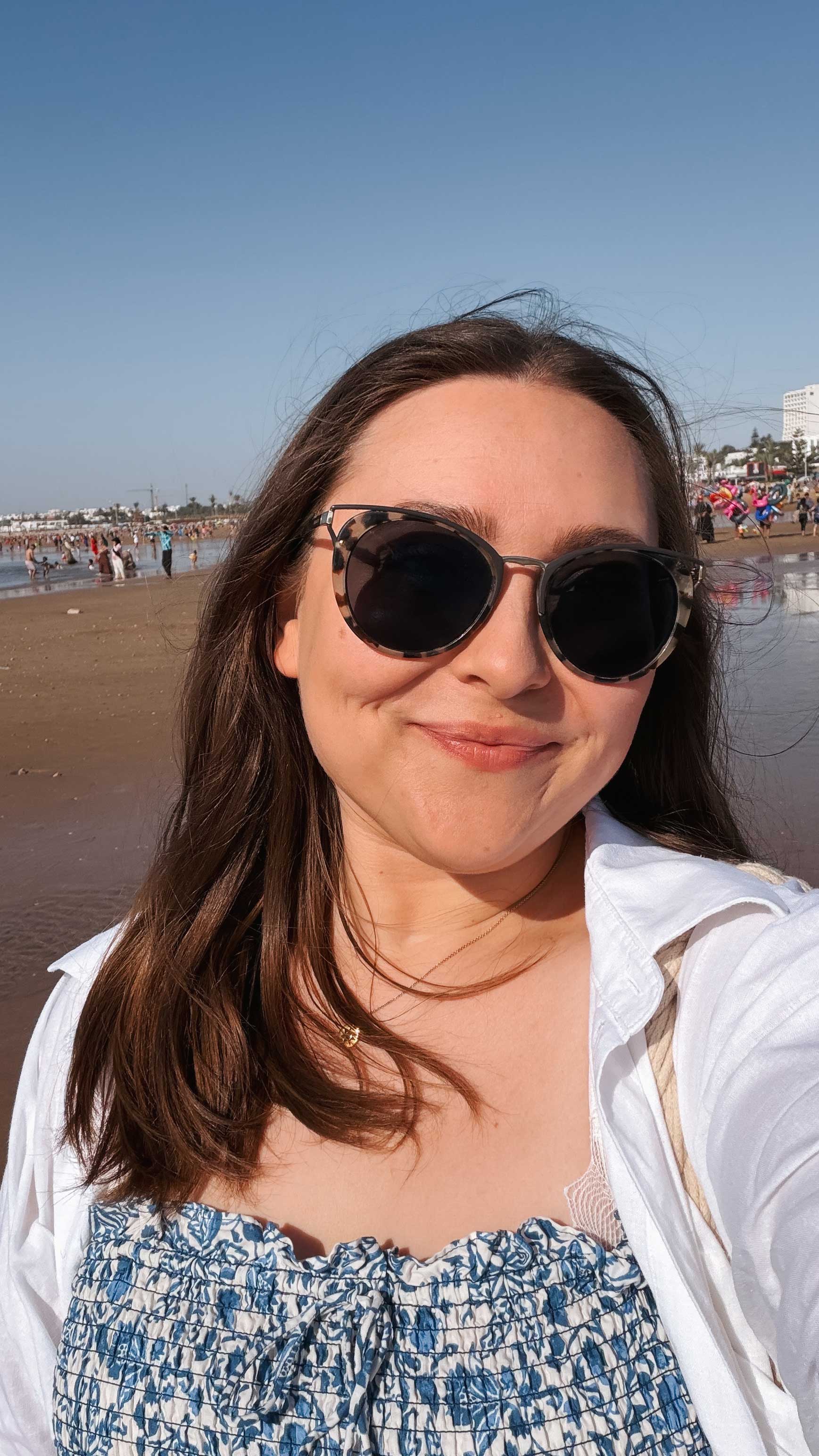
Sandra Potisek is a travel content creator, originally from Slovenia and now spending much of her year in Morocco. As part of the Village Morocco Travel team, she works closely with local guides to plan trips for international guests — and off the clock, she's immersing herself in the country's culture, cuisine, and lesser-known corners firsthand.
Have Any Questions?
We’re here to help with any questions about our tours, travel plans, pricing, or customizing your Morocco journey.