Vegetarian and Vegan Food in Morocco: What to Eat and Where
“Will I find anything to eat?” is one of the first questions vegetarian and vegan travelers ask us when they plan a trip to Morocco. The honest answer is yes, and often very well. Moroccan home cooking is built on vegetables, pulses, bread and olive oil, and some of the best things you’ll eat here happen to be meat-free.
There are a few catches, though, mostly hidden meat stock, butter and honey. This guide covers what to order, what to ask about, how to say it, and where to eat in Marrakech, Fes and beyond. We’ve included restaurants with established vegetarian or vegan options, prioritizing places with recent positive reviews. Opening hours and menus change, so it’s worth checking before you go.
The short answer: yes. Vegetarian food is easy to find in Morocco, especially in Marrakech, Fes, Essaouira and Chefchaouen. Vegans can eat well too, but need to check for meat stock, butter, honey and eggs. Zaalouk, taktouka, bissara and vegetable tagine are the best places to start.
Is Morocco vegetarian and vegan friendly?
For vegetarians, yes. Almost every restaurant in the tourist areas of Marrakech, Fes, Essaouira and Chefchaouen has vegetarian dishes, and most cooks understand the word. Dishes like vegetable tagine, vegetable couscous, zaalouk and bissara are on almost every menu.
For vegans, it’s very doable, with a little care. The idea of “vegan” is less familiar than “vegetarian”, and butter, eggs and honey turn up in places you might not expect. In the big cities you’ll find fully vegetarian and vegan restaurants. In small towns and on the road, you’ll rely on simple dishes and on asking the right questions.
One cultural note: meat is often served as a gesture of hospitality, especially when welcoming guests. Most hosts will understand if you politely explain that you don’t eat it, although you may need to repeat yourself.
The best vegetarian and vegan Moroccan dishes
These are the dishes we point our vegetarian and vegan guests to first:
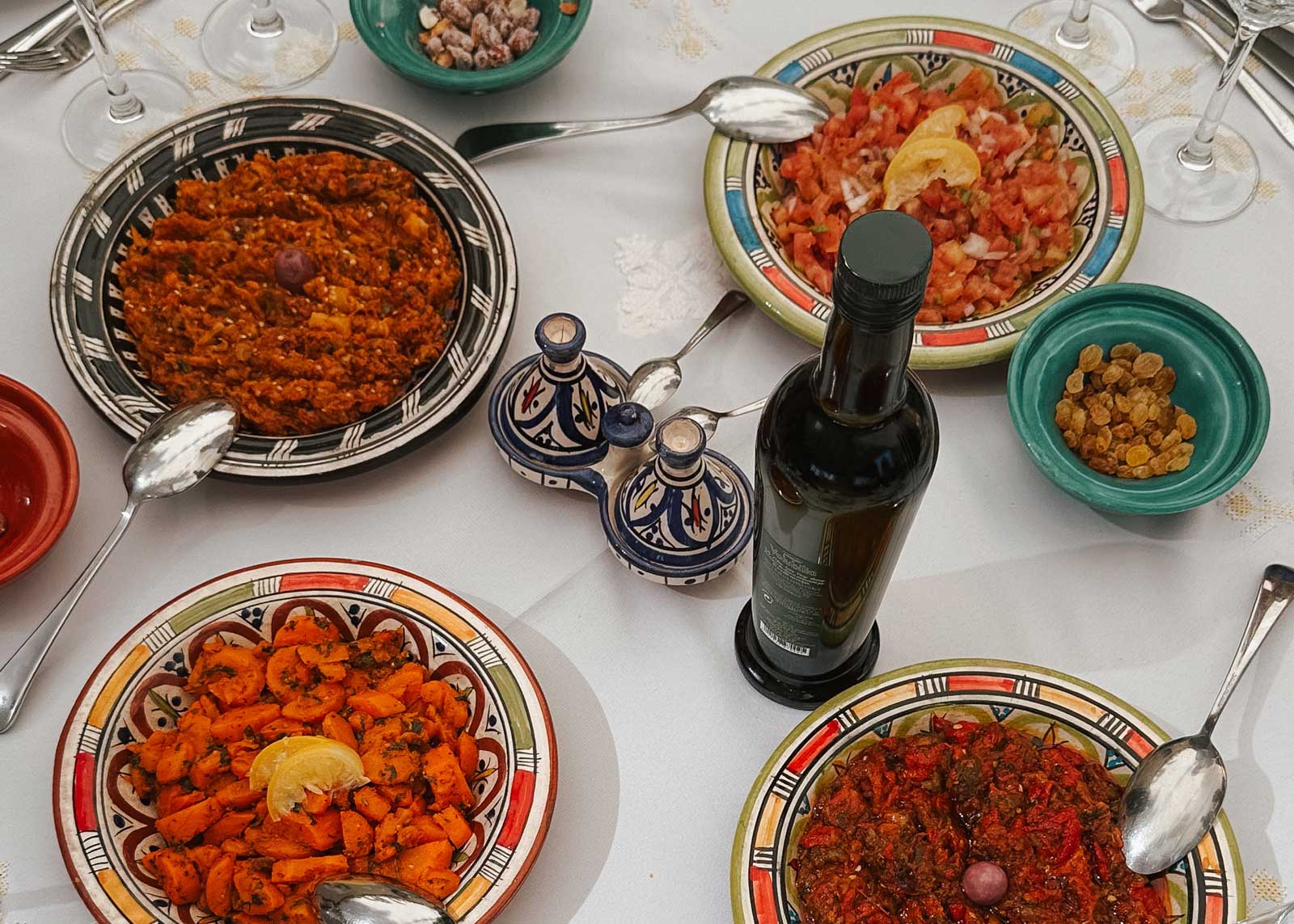
- Zaalouk: a smoky salad of cooked aubergine (eggplant), tomato, garlic and cumin, eaten with bread. Vegan.
- Taktouka: roasted green peppers and tomatoes, cooked down with spices. Vegan.
- Bissara: a thick fava bean soup with olive oil and cumin, a cheap and filling breakfast in Fes and the north. Vegan.
- Loubia: white beans slow-cooked in a spiced tomato sauce. Usually vegan.
- Lentils (adas): a simple, hearty lentil stew served in small local restaurants. Usually vegan.
- Vegetable tagine: seasonal vegetables slow-cooked with spices, olives or preserved lemon. Usually vegan when it’s made with oil and vegetable stock, without butter or smen.
- Vegetable couscous: traditionally a Friday dish, with seven vegetables over steamed semolina. Vegan only if the broth is vegetable-based (see below).
- Moroccan salads: the spread of small cooked and raw salads served before a meal, such as carrots with cumin, beetroot, roasted peppers, and cucumber and tomato. Many are vegan, but check mixed salads for egg, tuna or mayonnaise.
- Khobz: the round everyday bread, usually made with just flour, water, yeast and salt.
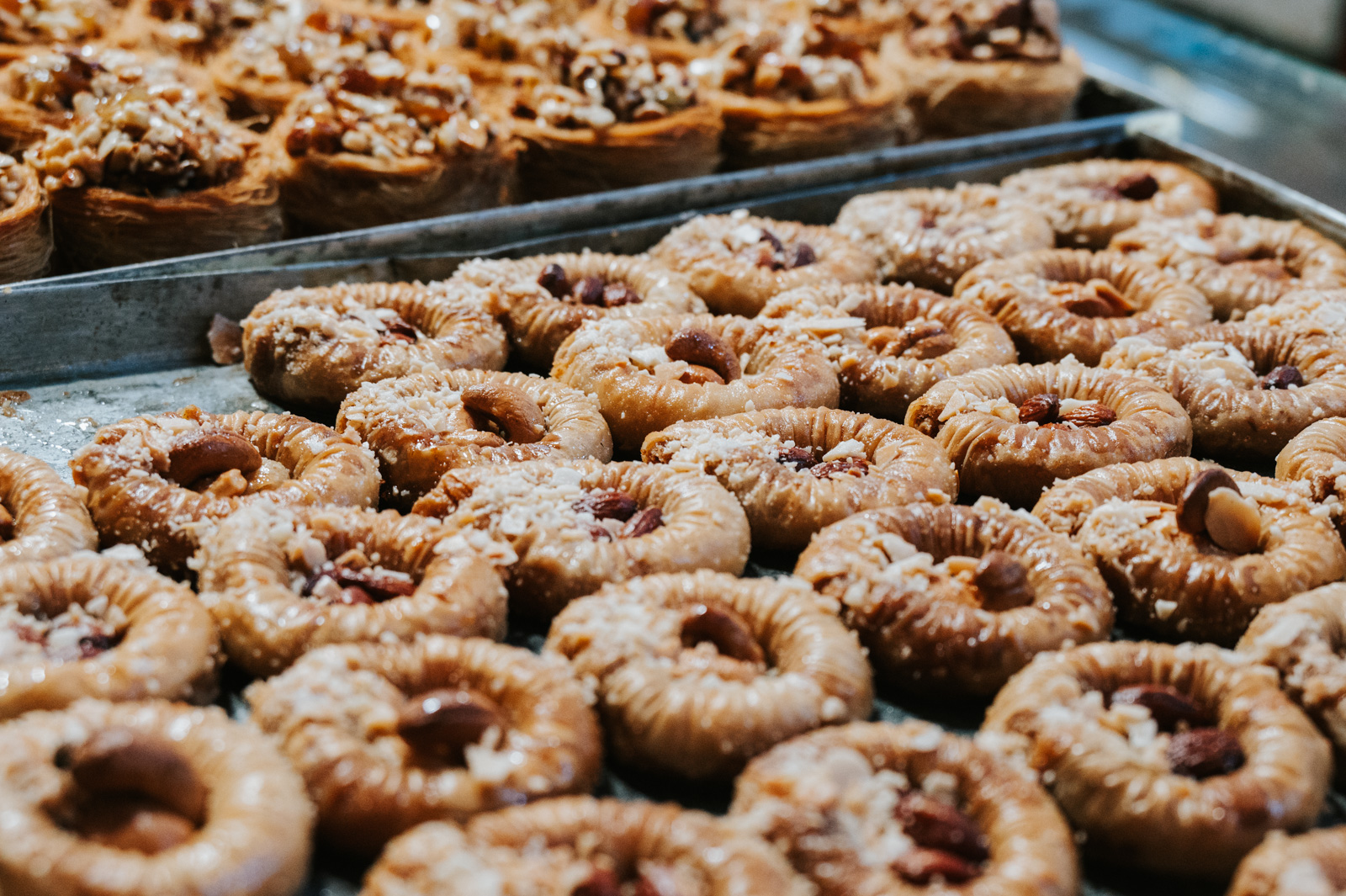
- Msemen and baghrir: flaky square pancakes and spongy semolina “thousand-hole” pancakes, eaten at breakfast. Vegetarian, but often brushed with butter and honey, so vegans should ask for olive oil and jam instead.
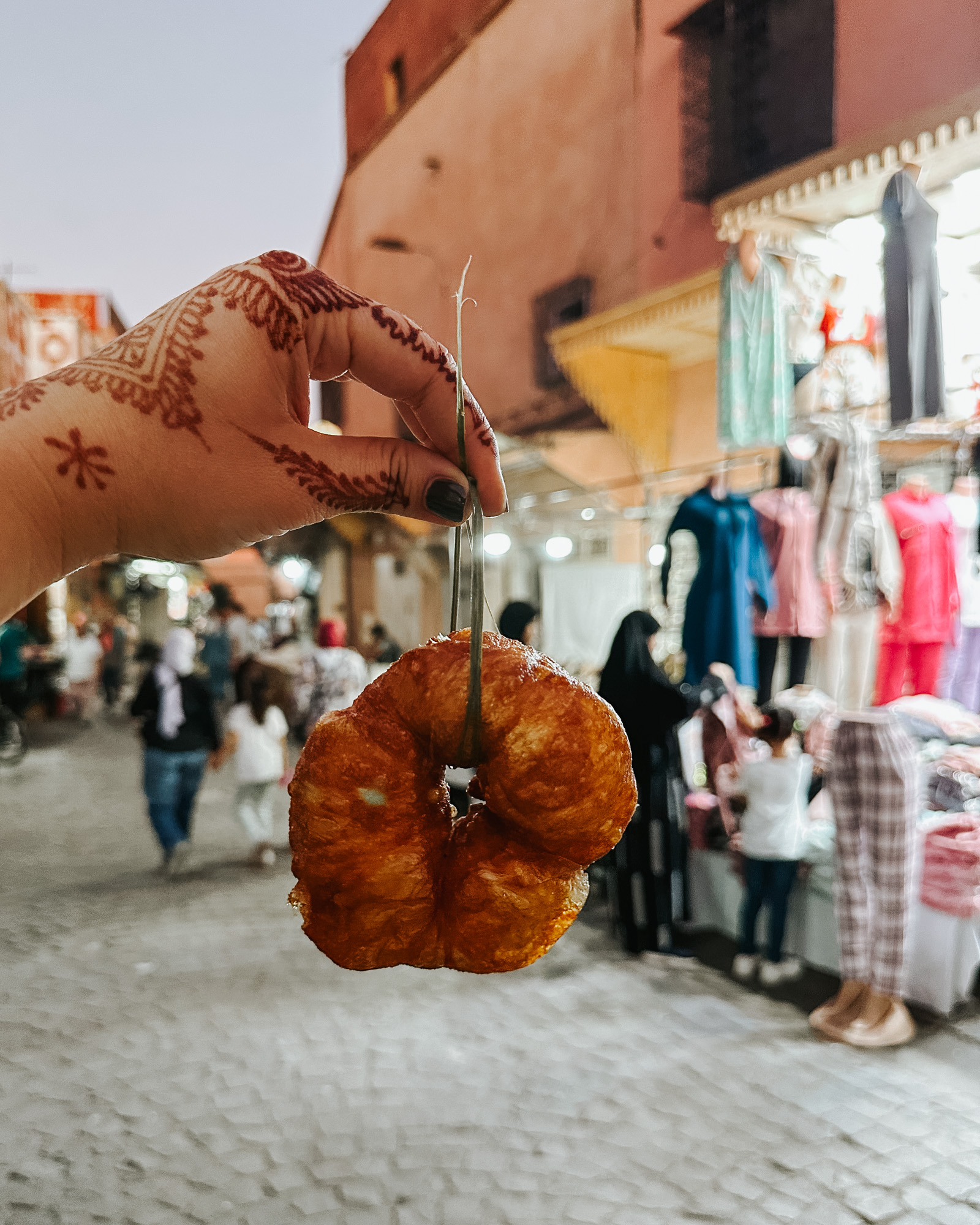
- Sfenj: fried Moroccan doughnuts sold from street stalls in the morning. Usually vegan when made with the traditional flour, water and yeast dough, but some versions add egg or milk.
- Mint tea: served without milk, so it’s fine for vegans. Just watch the sugar.
For a wider guide to Moroccan food, from street snacks and breakfast to sweets, see what to eat in Morocco.
Hidden animal ingredients to watch for
This is where vegetarians and vegans get caught out:
- Harira: this traditional tomato, lentil and chickpea soup often contains lamb or beef, even when you can’t see the meat. Some recipes also include egg. Vegetarian versions exist, but always ask.
- Couscous broth: vegetable couscous is often cooked over, or served with, a meat broth. Ask whether the broth is vegetable.
- Smen: a preserved, aged butter used to flavor tagines and couscous. Ask for dishes made with oil (zit).
- Vegetable tagines in small places: in some small restaurants, the “vegetable tagine” can simply be a tagine with the meat taken out. In tourist restaurants this is rare, but it’s worth asking.
- Pastilla: the sweet-savory pie is usually filled with pigeon, chicken or seafood. Vegetarian pastilla exists, but mostly in modern or vegetarian restaurants.
- Honey and butter at breakfast: msemen and baghrir are often served with butter and honey. Traditional amlou, a spread of almonds and argan oil, also usually contains honey.
- Fish: some cooks don’t count fish as meat. If you don’t eat it, say so separately.
And don’t assume that a dish described as vegetarian is also vegan. A cook may call something vegetarian simply because there’s no meat in it, without thinking about butter, eggs, honey or the stock it was cooked in.
Our tip: order the dishes where the vegetables are the point (zaalouk, taktouka, bissara, loubia) rather than meat dishes “without the meat”. They’re safer, and usually tastier.
Useful vegetarian and vegan phrases in Morocco
Most restaurant staff in Marrakech and Fes speak French and some English, but a few words of Darija (Moroccan Arabic) go a long way, especially outside the cities:
- I’m vegetarian: Je suis végétarien (French, man) / Je suis végétarienne (woman)
- I don’t eat meat: Ma kanakoulch l-hem (Darija)
- Without meat: Bla l-hem (Darija) / Sans viande (French)
- Without chicken / fish: Bla djaj / Bla hout
- Without butter: Bla zebda (or bla smen for preserved butter)
- Without eggs / milk / honey: Bla l-bid / Bla l-hlib / Bla l-asal
- Is there meat stock in it? Est-ce qu’il y a du bouillon de viande ? (French)
“Vegan” is understood in tourist restaurants. Elsewhere, it’s clearer to list what you don’t eat. In French, a full sentence works well: Je suis végan(e). Je ne mange ni viande, ni poisson, ni œufs, ni produits laitiers, ni miel.
The best vegetarian and vegan restaurants in Marrakech
Marrakech has the most choice in the country, from fully vegetarian restaurants to Moroccan places with clearly marked vegan dishes.
Fully vegetarian or vegan
- La Famille (vegetarian): a leafy courtyard restaurant in the medina, with a short, fresh, seasonal vegetarian menu. Best for a relaxed lunch: it’s open Monday to Saturday, from noon to 4 pm only. 42 Riad Zitoun Jdid · about MAD 150 to 200 per person.
- World Storytelling Cafe (vegan): a small, fully plant-based cafe serving falafel, hummus, lentil stew and salads. 23 Route Ahel Fes, in the north of the medina.
Vegan-friendly restaurants (with meat on the menu too)
- Broc The Kasbah: a rooftop restaurant and concept store with a large vegetarian and vegan menu and a relaxed, low-key feel. Popular for lunch. Riad Laarous, in the northern medina.
- Enjoy Your Meal Veggie Lovers: despite the name, it serves some meat too, but the menu is built around vegetarian and vegan Moroccan and international dishes. 133 Rue Kennaria, near Jemaa el-Fna.
- Henna Art Cafe: a good choice of vegetarian and vegan dishes, and one of the places where you can get natural henna. 35 Derb Sqaya, a short walk from Jemaa el-Fna.
- Nomad: modern Moroccan food on a rooftop above the spice square (Rahba Kedima), with vegan and vegetarian dishes marked on the menu. About MAD 150 to 450 per person.
- Café des Épices: a casual cafe on the same spice square, known for its vegetable tagine.
- Café Clock: a cultural cafe with staff who know what “vegan” means and plenty of options. 224 Derb Chtouka, Kasbah area · about MAD 100 to 150.
- Naranj: a Lebanese restaurant, and a good bet for falafel, hummus and mezze. 84 Rue Riad Zitoun el Jdid, near the Bahia Palace.
Worth knowing: Earth Café, a long-time favorite of vegetarian travelers and still listed in many older guides, was temporarily closed when we checked in October 2026. For the latest openings, the HappyCow directory is the best place to look.
The best vegetarian and vegan restaurants in Fes
Fes has fewer dedicated vegetarian restaurants, but it’s one of the best cities for traditional vegetarian food, starting with a bowl of bissara for breakfast.
- Veggie Pause (vegetarian, vegan and gluten-free): one of the highest-rated vegetarian restaurants in Fes, with Moroccan-inspired dishes. Near Bab Boujloud, the main gate into the medina.
- Café Clock Fes: the original Café Clock, in an old house in the medina, with vegetarian dishes and a rooftop terrace. Derb el Magana, off Talaa Kebira · about MAD 100 to 150.
- The Ruined Garden: a restaurant in a restored garden, with seasonal vegetable dishes and a calm setting away from the busy lanes. Derb Idrissy, Siaj · about MAD 100 to 250.
- Tifinar: a small, friendly restaurant with good vegetarian options at very fair prices. Near Bab Boujloud · about MAD 50 to 100.
Our tip: in the morning, look for the small bissara stalls in the medina. A bowl of bean soup with olive oil, cumin and fresh bread is one of the cheapest and best vegan breakfasts in Morocco.
Vegetarian and vegan food beyond Marrakech and Fes
- Essaouira: Shyadma’s Vegan Food is a family-run, fully vegan spot serving Moroccan dishes, falafel and fresh juice. Fish dominates the rest of the town, so it’s a welcome find.
- Chefchaouen: there’s another Café Clock in the blue town, and most restaurants have vegetable tagines and bean dishes.
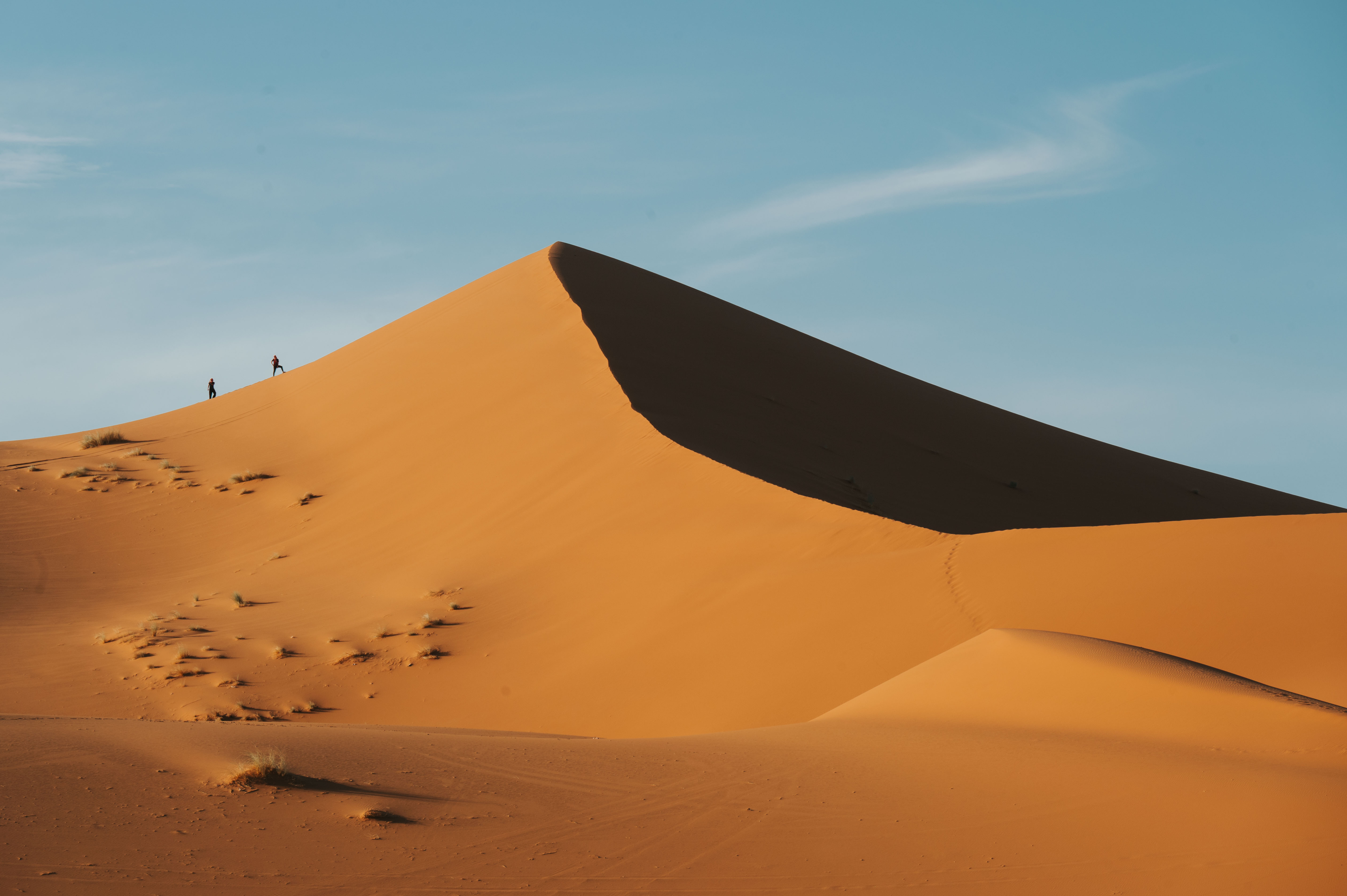
- The road to the Sahara: in the Atlas, the gorges and the desert camps, there are no vegetarian restaurants, and meals come from the kitchen of your guesthouse or camp. Dinner is usually soup, salads and a tagine, and vegetable versions are easy to prepare if the cook knows in advance. This is where planning ahead matters most, because a desert camp can’t shop for different ingredients once you’ve arrived. If you follow a strict vegan diet, tell your tour operator before departure rather than when you reach the desert.
Vegan and vegetarian breakfasts in Morocco
A Moroccan riad breakfast usually means bread, msemen or baghrir, olive oil, jam, honey, butter, eggs, fruit and mint tea. Vegetarians are well covered. Vegans should ask for olive oil, jam, fruit and bread, and skip the butter and honey.
Plant-based milk is easy to find in Marrakech’s cafes and supermarkets, but rare in smaller towns, so don’t count on it at your riad unless you’ve asked.
Our tip: email your riad before you arrive and explain exactly what you don’t eat. Most will happily prepare a vegan breakfast, and some also cook vegetarian dinners on request.
A vegetarian or vegan cooking class in Marrakech
One of the best ways to understand Moroccan food is to cook it. We can arrange a vegetarian or vegan cooking class in Marrakech, usually starting with a walk through the market to buy the vegetables and spices, then cooking dishes like zaalouk, taktouka and a vegetable tagine. You leave with the recipes and a much better idea of what to look for on menus for the rest of your trip.
How we plan trips for vegetarian and vegan travelers
When you travel with us, your diet is part of the plan from the start. We let your riads, guesthouses and desert camp know in advance, and the camps we work with prepare vegan meals when they’ve been briefed. Our drivers know where to stop for a good vegetarian lunch on the long days on the road, and you can ask them to help with ordering anywhere along the way.
Tell us what you eat (and don’t) when you plan a custom tour, or browse our tours from Marrakech and we’ll adapt the meals on any of them. If you’re spending a night in the dunes, our guide to desert camps in Morocco explains what to expect.
Frequently asked questions
Not usually. Hosts may offer meat more than once, because it's a sign of generosity, and you may need to explain more than once. Most will understand a polite explanation that you don't eat it. Saying how much you're enjoying the vegetables and bread goes a long way.
Freshly cooked, hot dishes like tagines, soups and bissara are the safest choices. Be more careful with raw salads and cut fruit from street stalls, peel your own fruit, and drink bottled water.
In Marrakech, Casablanca and Rabat, yes: supermarkets like Carrefour and Marjane stock plant-based milk, and cafes increasingly offer it. Elsewhere, nuts, dates, dried fruit, olives and fresh bread are easy, vegan-friendly snacks to buy at any market.
The food itself isn't the problem, but finding restaurants open during the day can be harder, especially outside the tourist areas. Many restaurants in Marrakech and Fes keep serving visitors, while smaller local places may only open after sunset. The evening iftar meal includes vegetarian-friendly foods like dates and msemen, though harira usually contains meat and chebakia (sesame pastries) contains honey.
Published: 15 October 2026
About the Author
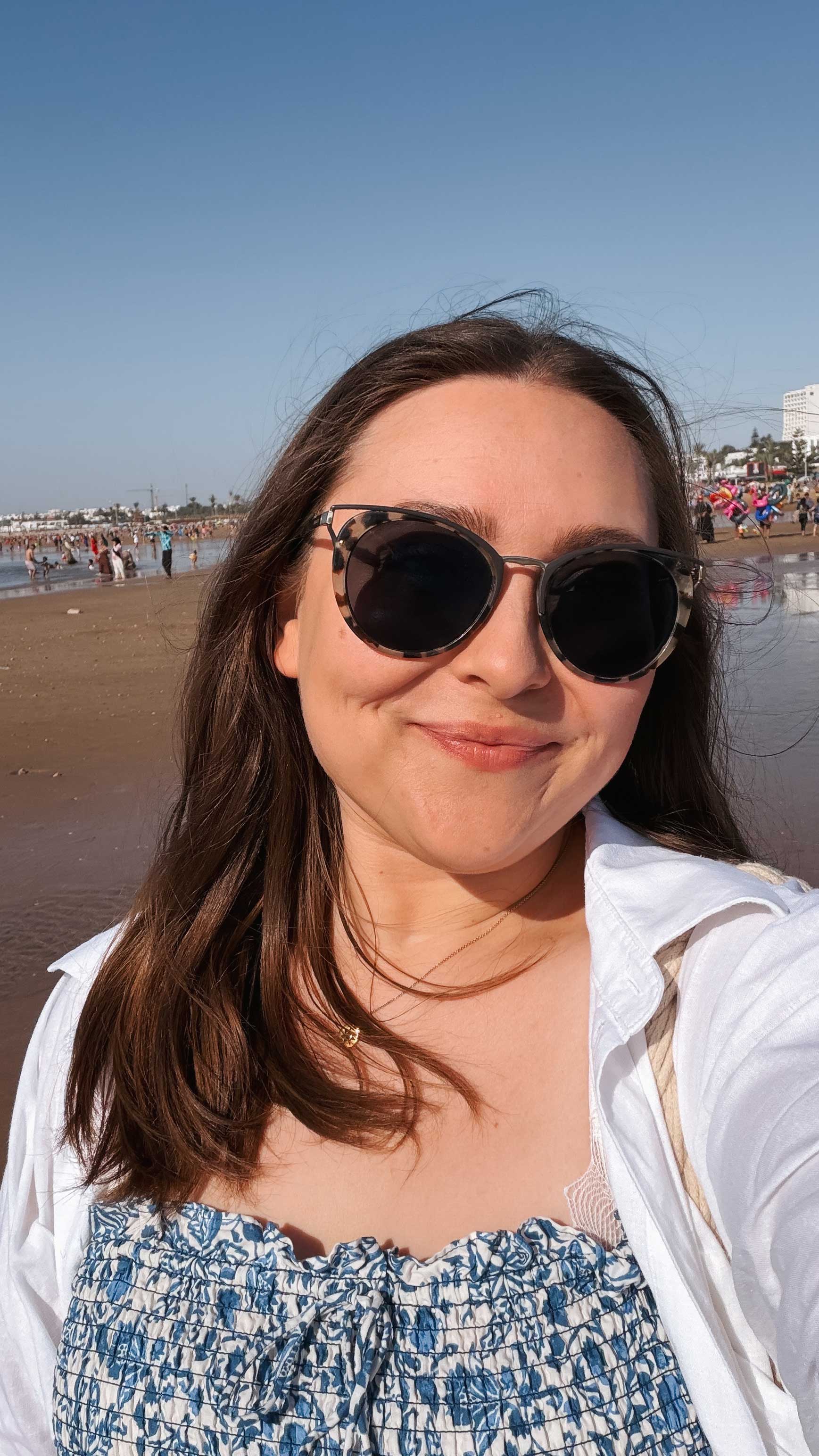
Sandra Potisek is a travel content creator, originally from Slovenia and now spending much of her year in Morocco. As part of the Village Morocco Travel team, she works closely with local guides to plan trips for international guests — and off the clock, she's immersing herself in the country's culture, cuisine, and lesser-known corners firsthand.
Have Any Questions?
We’re here to help with any questions about our tours, travel plans, pricing, or customizing your Morocco journey.