Best Time to Visit Morocco: A Local's Month-by-Month Guide
Let’s cut straight to the chase: the best time to visit Morocco is spring (mid-March to May) and fall (September to November). You get warm, sunny days, cool evenings, blooming valleys or golden harvest light, and comfortable conditions across the imperial cities, the Atlas Mountains, and the Sahara all at once.
But “best” depends on what you came for. The Sahara is glorious in December and can be brutal for some in July. The Atlantic coast is at its finest in the exact months the desert is hard to bear. Prices and crowds swing hard between seasons, too.
We travel these routes year-round, so we know how much timing can shape your experience. Here’s our month-by-month, region-by-region guide to choosing the right time for your trip, based on the same advice we give our own guests.
Morocco's seasons at a glance
|
Season |
Months |
Weather |
Best for |
|---|---|---|---|
|
Spring |
Mid-Mar–May |
Warm days, cool nights, green valleys |
Everything — cities, desert, trekking, coast |
|
Summer |
Jun–Aug |
Scorching inland & desert (38°C+/100°F+), mild coast |
Atlantic beaches, surfing, mountains |
|
Fall |
Sep–Nov |
Warm, clear, calmer crowds |
The all-rounder — desert reopens, ideal cities |
|
Winter |
Dec–Feb |
Mild coast, cold nights, snow in the Atlas |
Desert by day, budget travel, skiing |
The sweet spots: April, May, September, and October are the four best all-around months to visit Morocco. If you can only travel then, you can’t go wrong.
Morocco weather by month (by region)
Morocco isn’t one climate. It’s four. Coastal, inland-city, mountain, and desert temperatures can differ by 15°C / 30°F on the same day. Use this table to match your month to your region.
|
Month |
Marrakech (city) |
Fes (north) |
Essaouira (coast) |
Sahara/Merzouga (desert) |
|---|---|---|---|---|
|
Jan |
18°C / 4°C (65°F / 40°F) |
16°C / 4°C (61°F / 39°F) |
17°C / 9°C (63°F / 48°F) |
19°C / 3°C (66°F / 37°F) |
|
Feb |
20°C / 6°C (68°F / 43°F) |
17°C / 5°C (63°F / 41°F) |
18°C / 9°C (64°F / 49°F) |
22°C / 5°C (71°F / 41°F) |
|
Mar |
23°C / 9°C (73°F / 48°F) |
20°C / 7°C (68°F / 45°F) |
18°C / 11°C (65°F / 51°F) |
26°C / 9°C (78°F / 48°F) |
|
Apr |
25°C / 11°C (77°F / 52°F) |
22°C / 9°C (72°F / 49°F) |
19°C / 12°C (66°F / 53°F) |
29°C / 13°C (85°F / 55°F) |
|
May |
29°C / 14°C (84°F / 57°F) |
26°C / 12°C (79°F / 54°F) |
20°C / 13°C (68°F / 56°F) |
35°C / 17°C (95°F / 63°F) |
|
Jun |
33°C / 17°C (92°F / 62°F) |
31°C / 16°C (88°F / 60°F) |
21°C / 15°C (70°F / 59°F) |
40°C / 21°C (104°F / 70°F) |
|
Jul |
38°C / 20°C (100°F / 68°F) |
36°C / 18°C (96°F / 65°F) |
22°C / 17°C (72°F / 63°F) |
42°C / 24°C (108°F / 75°F) |
|
Aug |
38°C / 20°C (100°F / 68°F) |
36°C / 18°C (96°F / 65°F) |
23°C / 18°C (73°F / 64°F) |
42°C / 23°C (107°F / 74°F) |
|
Sep |
33°C / 17°C (91°F / 63°F) |
31°C / 15°C (87°F / 59°F) |
23°C / 17°C (73°F / 62°F) |
37°C / 19°C (98°F / 66°F) |
|
Oct |
28°C / 14°C (82°F / 57°F) |
25°C / 12°C (77°F / 53°F) |
22°C / 15°C (72°F / 59°F) |
31°C / 14°C (87°F / 57°F) |
|
Nov |
22°C / 9°C (72°F / 48°F) |
19°C / 8°C (67°F / 46°F) |
20°C / 12°C (68°F / 53°F) |
24°C / 8°C (75°F / 46°F) |
|
Dec |
19°C / 6°C (66°F / 42°F) |
16°C / 4°C (61°F / 40°F) |
18°C / 9°C (64°F / 49°F) |
19°C / 4°C (67°F / 39°F) |
Daytime high / overnight low averages. Desert nights can be colder than the highs suggest. Pack layers even in summer. Check World Meteorological Organization for exact/updated climate normals.
Morocco month by month
January
The coldest, quietest month and secretly one of the best for the desert. Sunny Sahara days sit around a pleasant 19°C / 66°F, though nights drop near freezing, so a warm desert camp matters. Marrakech and the coast are mild; the High Atlas is under snow. Fewest tourists and the lowest prices of the year. Great for: desert tours, budget travel, skiing at Oukaïmeden.
February
Similar to January but slightly warmer, and the almond trees burst into blossom across the south. The Tafraoute Almond Blossom Festival is the highlight. Still low season, still great value, still excellent for the desert before the heat arrives. Great for: desert, blossom season, quiet cities.
March
Spring begins. Valleys turn green, wildflowers appear, and daytime temperatures become genuinely comfortable in the cities. One of the best months for trekking in the foothills and for combining cities + desert without extreme heat. Crowds start building toward month’s end. Great for: all-round travel, trekking, photography.
April
Peak spring and one of the two or three best months overall. Warm sunny days, lush landscapes, and every region accessible, desert included. This is also one of the busiest and priciest months, especially around Easter, so book early. Great for: first-time visitors, desert, cities, trekking.
May
Arguably the single best month to visit Morocco. Long warm days, cool evenings, roses blooming in the Dades Valley, and the last comfortable window for the deep Sahara before summer. High season pricing and crowds. Great for: everything — the safest all-round choice.
June
Summer arrives. Inland cities and the desert start climbing past 35°C / 95°F, but the Atlantic coast stays a breezy 21°C / 70°F and the mountains stay pleasant. Festival season kicks off (Gnaoua in Essaouira). Great for: coast, surfing, mountains, festivals.
July
The hottest, driest month inland. Marrakech and the Sahara regularly top 38°C–42°C / 100–108°F; midday sightseeing becomes tough and many desert camps close. Head for the water: Essaouira, Agadir, Taghazout, or the cool Atlas gorges. Great for: beaches, surfing, mountain escapes.
We’ve guided clients through Marrakech and the desert in July (and August), but in this case our guides recommend to start sightseeing in early morning hours and retreating to a riad courtyard by noon, before continuing the adventure in late evening, when the streets come alive with locals and tourists alike.
August
As hot as July, with peak European holiday crowds on the coast. Inland and desert travel is for the heat-hardy only; the Atlantic and the High Atlas are your friends. Book coastal stays well ahead. Great for: coast and mountains.
September
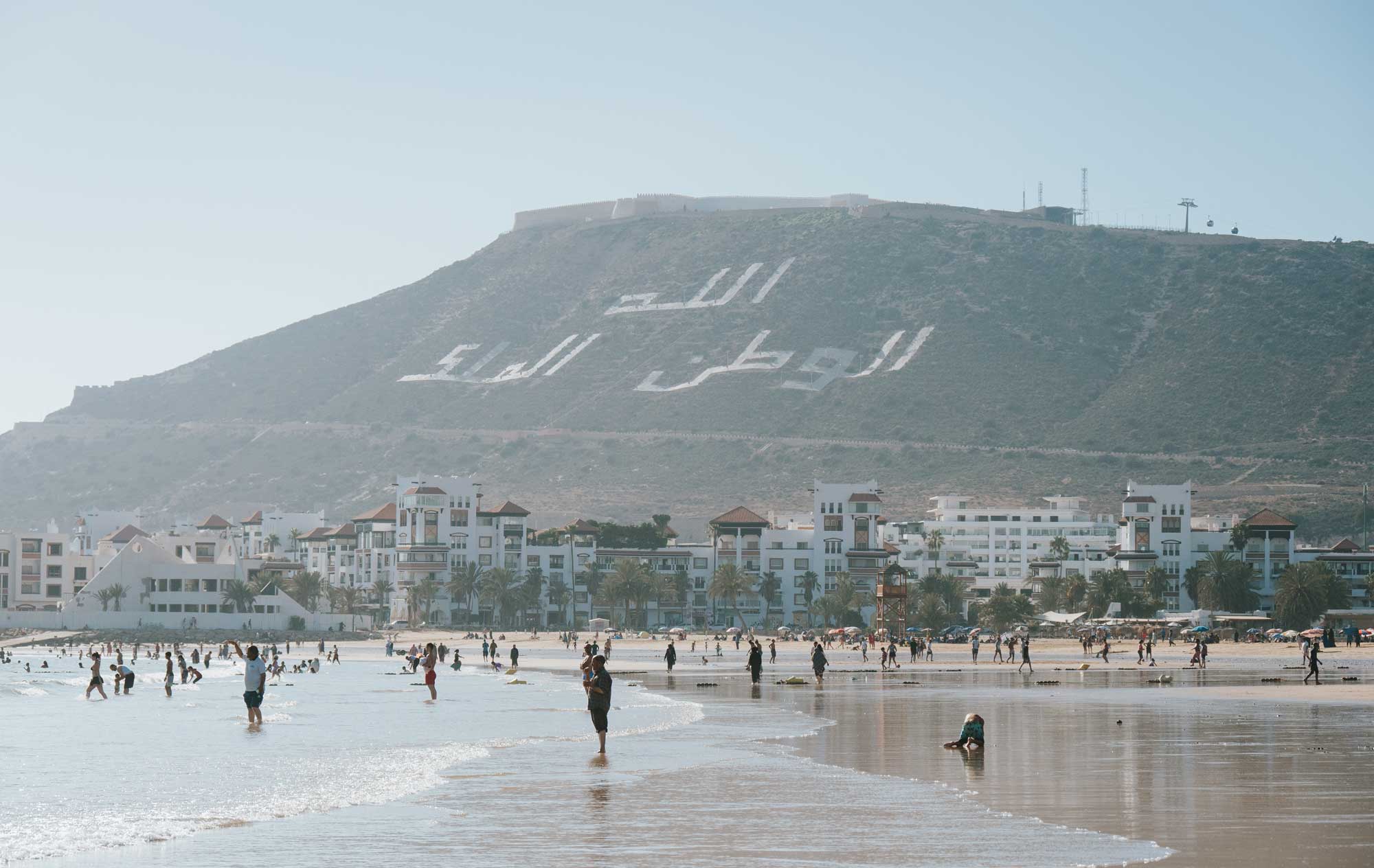
The heat breaks and Morocco reopens for all-round travel. One of the very best months: warm but no longer scorching, desert camps back in business, harvest light everywhere, and the Imilchil Marriage Festival in the Middle Atlas. Great for: everything.
October
Beautifully balanced. Warm days, cool nights, thinning crowds, date-harvest season in the palm groves. Ideal for cities, desert, and trekking alike, with the occasional first rain in the north. Great for: desert, cities, trekking, value.
November
Fall winds down. Cooler and quieter, with lower prices returning and superb light for photography. The desert is comfortable by day (cold at night), and the cities are calm. A slightly higher chance of rain up north. Great for: desert, budget-conscious travelers, relaxed sightseeing.
December
Cool and low-key, apart from a busy Christmas/New Year spike. Crisp sunny desert days, snow in the High Atlas (ski season at Oukaïmeden), and mild coastal weather. Great value outside the holiday fortnight. Great for: winter desert, skiing, festive-season travel.
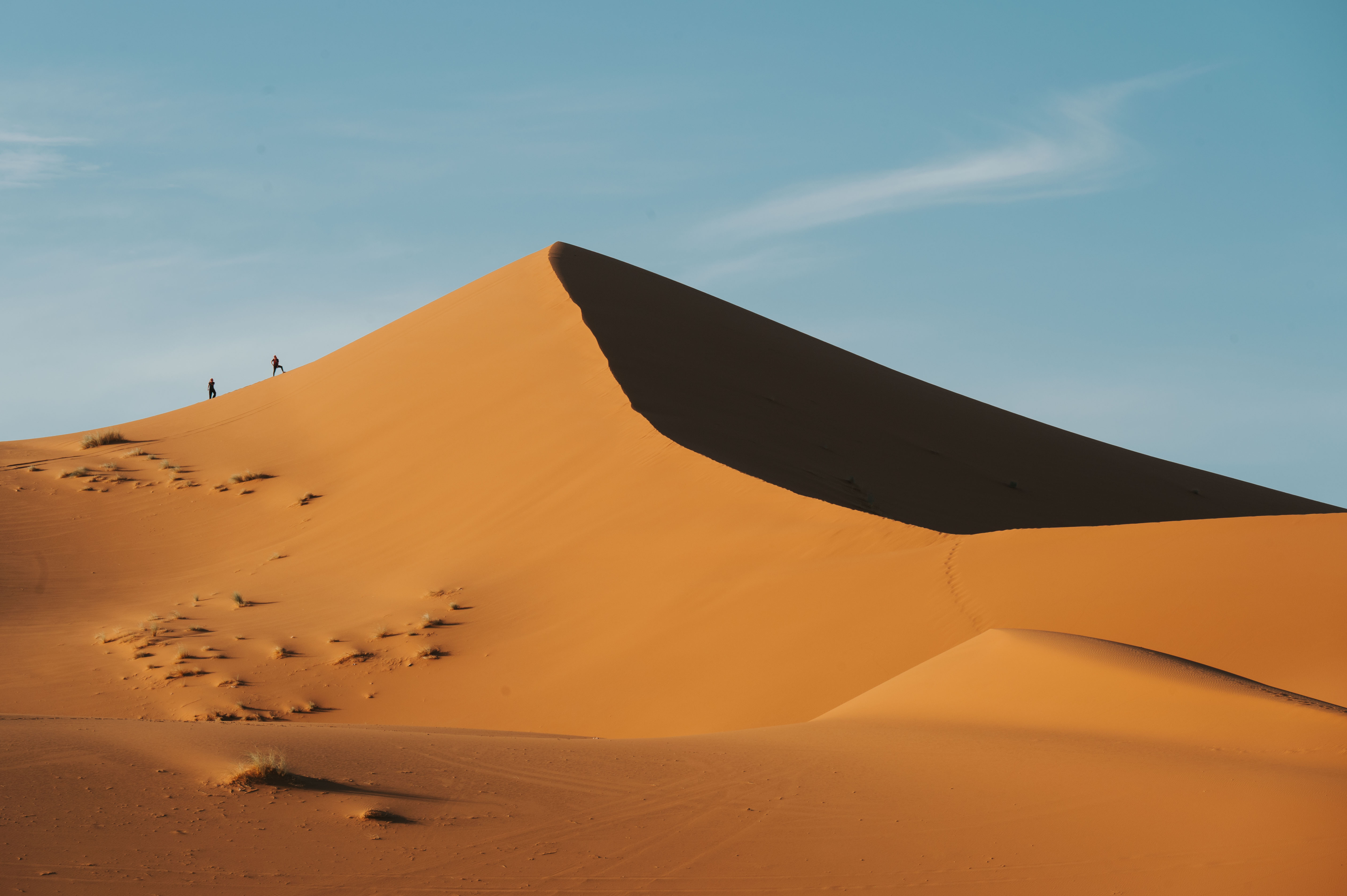
Best time for the Moroccan Sahara
Timing matters more for the desert than anywhere else in the country.
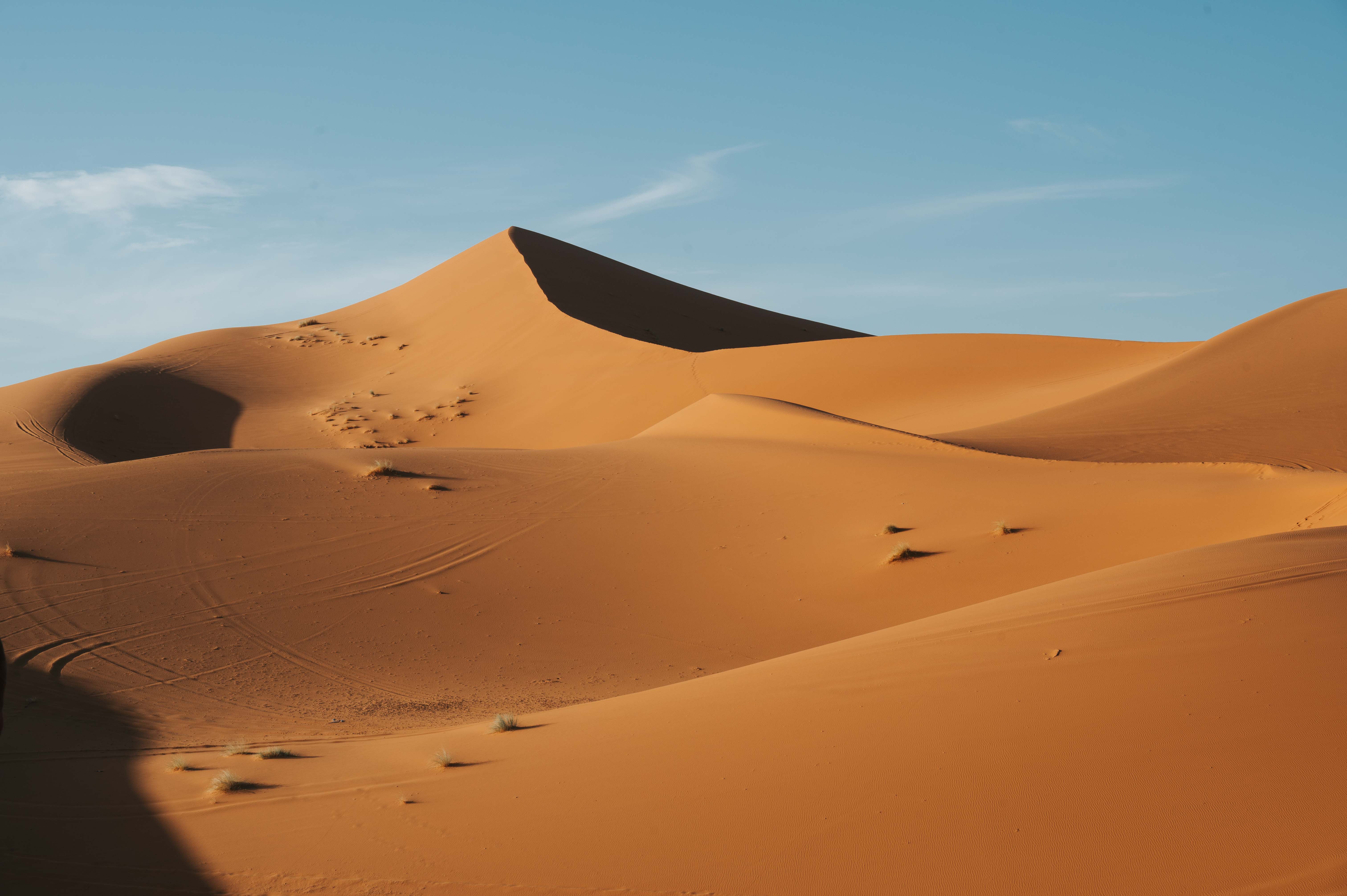
- Ideal: October–April. Warm, clear days and star-filled nights. Bring layers as nights are cold, near-freezing in mid-winter. On our March and October Merzouga departures, we regularly see clear 25°C / 77°F days and nights cold enough for a fleece by the fire.
- Avoid: June–August, when daytime temperatures hit 40–46°C / 105–115°F and many camps near Merzouga and Zagora close.
- Sweet spots: March, April, October, and November give you warm-but-not-cold days and comfortable nights (the best of both).
Planning your desert trip? Explore our Morocco desert tours from Marrakech, Casablanca & beyond, or build a custom itinerary around your travel dates with our local team.
Best time for trekking, surfing, beaches & skiing
Trekking (High Atlas & Mount Toubkal): April–May and September–October for the classic routes. Stable weather, wildflowers or clear autumn skies. Winter (December–February) is for experienced climbers doing snow ascents of Toubkal.
Surfing: The Atlantic fires best in fall and winter (September–March), when North Atlantic swells reach Taghazout, Imsouane, and Essaouira. Summer offers smaller, beginner-friendly waves and warm water.
Beaches: June–September for swimming and sun on the Atlantic coast. Essaouira (windy, great for kite/windsurf), Agadir (calmer, warmer), and Oualidia’s lagoon. This is exactly when the desert is too hot, so summer visitors should point toward the coast.
Skiing: Oukaïmeden in the High Atlas runs roughly January–February when snowfall allows, an easy day trip from Marrakech.
Morocco's festivals & events, by month
Timing your trip around a festival adds a whole extra layer to Morocco. A few of the best:
- January – Yennayer (Amazigh New Year): mid-month celebrations of the Berber calendar.
- February – Almond Blossom Festival, Tafraoute: pink-and-white blossom and Amazigh music.
- March – International Nomads Festival, M’hamid El Ghizlane: desert culture on the Sahara’s edge.
- April – Marathon des Sables: the legendary multi-day ultramarathon across the dunes.
- April – Fes Festival of Sufi Culture: spiritual music in the old imperial city.
- May – Rose Festival, Kelaât M’Gouna: the Valley of Roses celebrates the harvest.
- June – Gnaoua World Music Festival, Essaouira: Morocco’s most famous music festival.
- June – Fes Festival of World Sacred Music: global sacred music, world-renowned.
- September – Imilchil Marriage Festival, Middle Atlas: a centuries-old Amazigh betrothal gathering.
- October – Erfoud Date Festival: the desert’s date harvest, near Merzouga.
Festival dates shift year to year. Message us to line your trip up with one.
Traveling during Ramadan
Ramadan is the Islamic holy month of daytime fasting, and it’s worth understanding before you book. Because it follows the lunar calendar, it moves about 11 days earlier each year. The next Ramadan falls roughly from the evening of Sunday 7 February 2027 to March 8 2027 (exact dates to be confirmed, as they depend on the moon sighting).
What it means for visitors:
- Some restaurants and shops keep reduced or shifted hours during the day; tourist restaurants and hotels generally stay open.
- The atmosphere after sunset is magical. The iftar meal fills streets and squares with food, music, and energy.
- Sightseeing, desert tours, and travel all continue normally; just be respectful (avoid eating/drinking openly in public during fasting hours and keep in mind your driver and tour guide will be fasting throughout the day).
For many travelers, Ramadan is a highlight, not an obstacle, but if you want peak buzz in the souks and normal daytime hours everywhere, plan around it.
So, when should you go?
- First-time visitor, want it all: April, May, September, or October.
- Sahara is the priority: October–April (March/November are ideal).
- Beaches & surfing: June–September for sun; fall/winter for serious surf.
- Smallest budget, fewest crowds: January–February.
- Trekking the Atlas: April–May or September–October.
However you time it, we’ll build the route around your season. Browse our Morocco tours, or message our local team on WhatsApp (+212632935896) to start planning. We’ll help you match the right months to the desert, coast, and cities.
Frequently asked questions
What month is the best to travel to Morocco?
April, May, September, and October are the best months overall — warm, sunny days, comfortable nights, and every region (cities, coast, mountains, and desert) accessible at once. May and September are the two standouts.
What is the cheapest time to go to Morocco?
November through February is cheapest, with January and February the lowest for flights and accommodation, outside the Christmas and New Year period, when prices spike. You’ll trade some warmth for big savings and near-empty sights.
Is 7 days enough for Morocco?
Yes. One week is enough for a focused route. For example: Marrakech, a High Atlas pass, and two nights in the Sahara, or an imperial-cities loop of Fes, Chefchaouen, and Marrakech. For both the desert and the coast comfortably, 10–12 days is better.
Is it safe to travel to Morocco right now?
Morocco is a very popular destination for travelers. The U.S. State Department places it at Level 2 (‘Exercise Increased Caution’) — the same rating as France, Spain, and Italy (State Department advisory). Normal travel precautions apply. Watch for pickpockets in crowded souks and use licensed guides and drivers. Solo and female travelers visit regularly; dressing modestly and hiring local guides makes the experience smoother.
What is the worst time to visit Morocco?
July and August for the desert and inland cities, when temperatures top 42°C / 105°F and many desert camps close. If you visit in high summer, base yourself on the Atlantic coast or in the mountains instead.
When is the best time to visit the Moroccan desert?
October to April, avoiding the summer heat. March, April, October, and November give you warm days and comfortable (not freezing) nights — the ideal desert window.
Plan your Morocco adventure with us
Published: 9 August 2026
About the Author
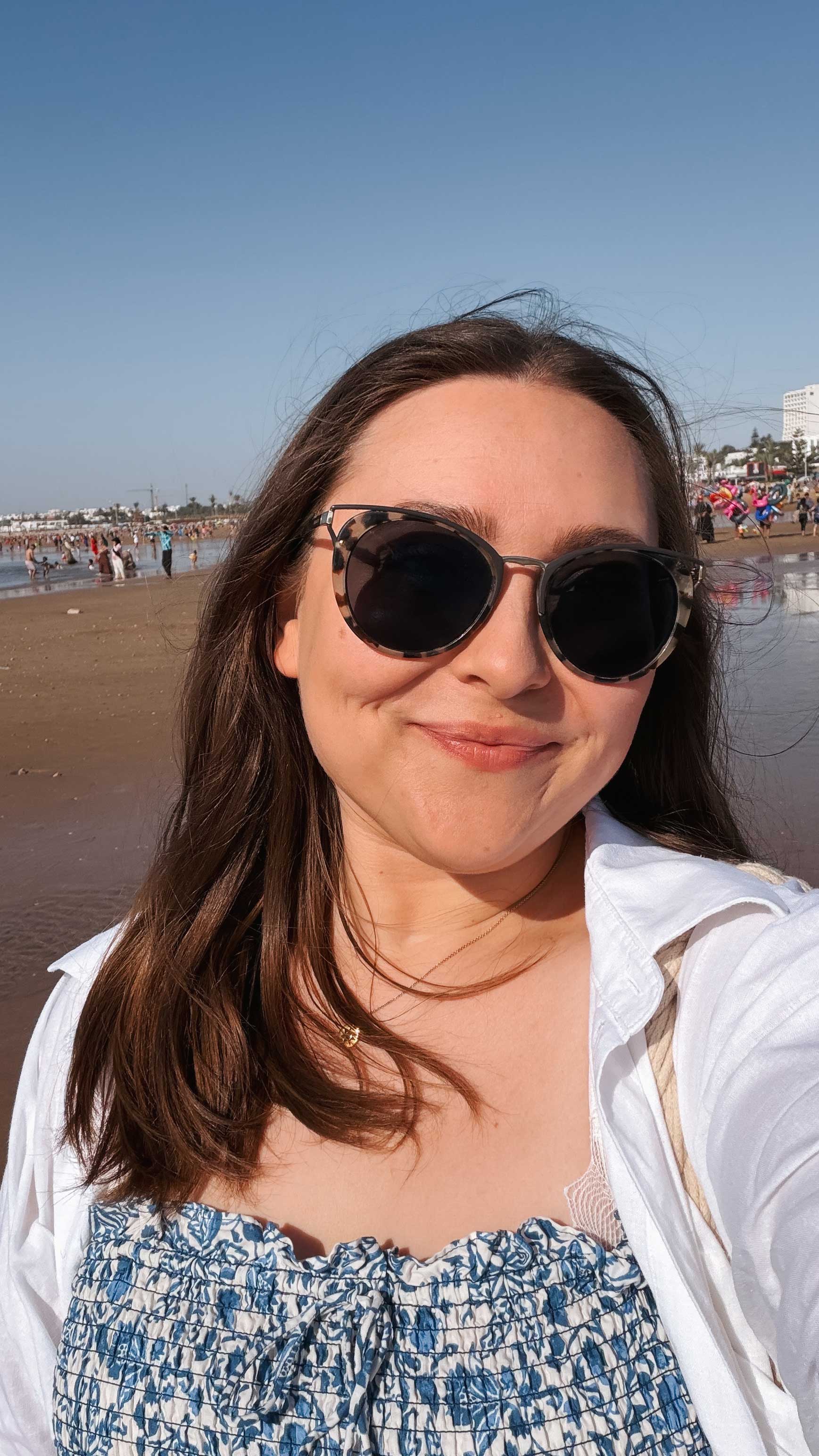
Sandra Potisek is a travel content creator, originally from Slovenia and now spending much of her year in Morocco. As part of the Village Morocco Travel team, she works closely with local guides to plan trips for international guests — and off the clock, she's immersing herself in the country's culture, cuisine, and lesser-known corners firsthand.
Have Any Questions?
We’re here to help with any questions about our tours, travel plans, pricing, or customizing your Morocco journey.