The Best Places to Visit in Morocco: Where to Go, How Long to Stay and How to Fit It In
Most lists of the best places to visit in Morocco are written after a single trip. We plan and drive these routes every week from our base in Marrakech, so this guide is a little different: for each place, you’ll find what makes it worth the trip, how far it is, how long to stay, and how it fits with the others.
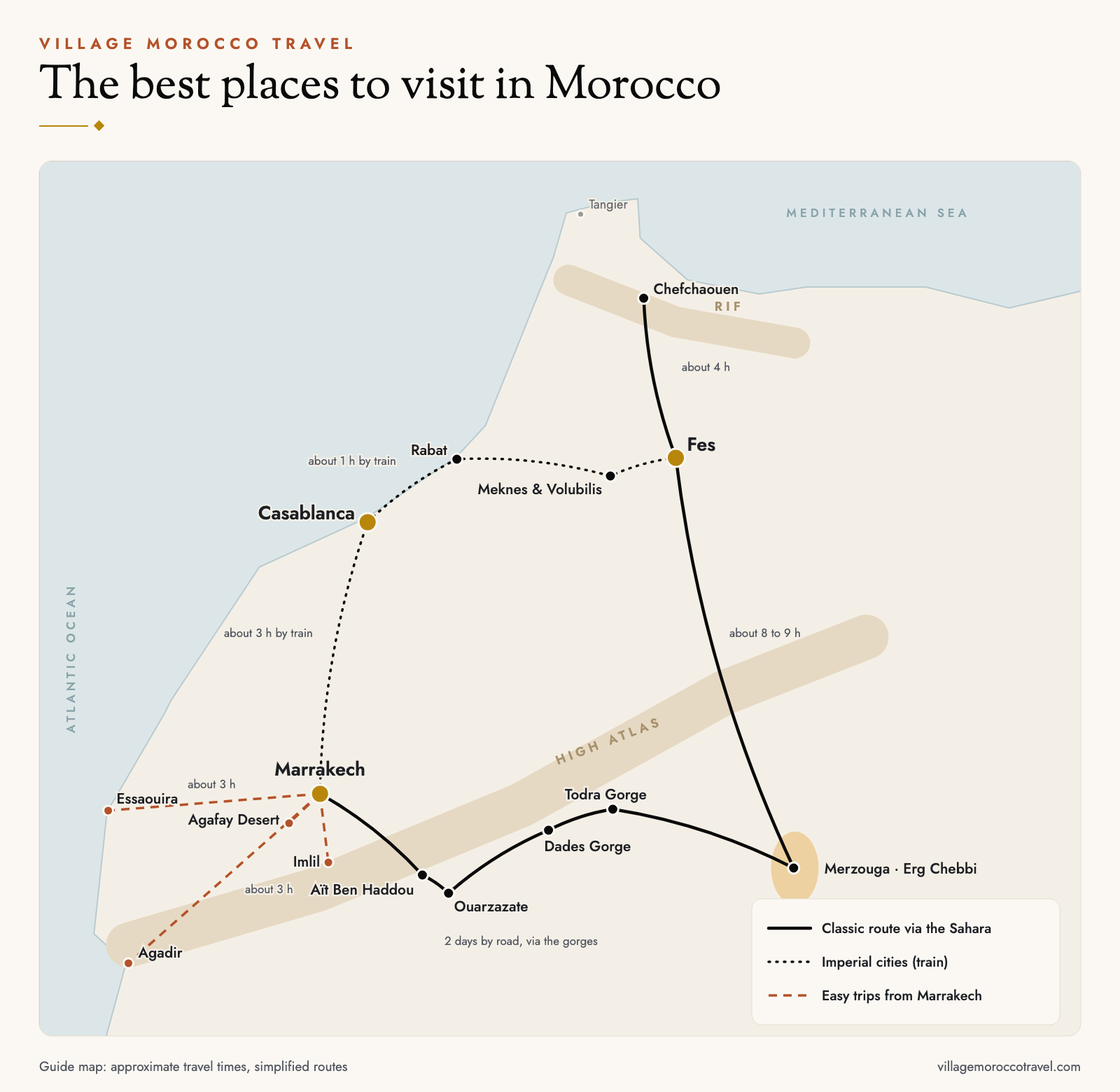
That last part matters more than most people expect. Morocco looks small on the map, but the Sahara is a long day’s drive from Marrakech, and Fes and Chefchaouen are in the north. The best trips aren’t the ones that tick off every name on a list. They’re the ones that pick the right places for the time you have.
The best places to visit in Morocco at a glance
If it’s your first trip, these are the places we’d put at the top of the list: Marrakech, a night in the Sahara at Merzouga (with Aït Ben Haddou and the Todra Gorge on the way), Fes, Chefchaouen and Essaouira. Add Agadir if you want a few lazy days on the beach at the end.
Travel times in the table are by road from the nearest hub (Marrakech, Fes or Casablanca) unless we say otherwise.
Place | Best for | Getting there | How long to stay
|
|---|---|---|---|
Marrakech | Souks, palaces, gardens, riads, food | Main hub, with an international airport | 2 to 3 nights |
The Sahara (Merzouga) | Golden dunes, a camel ride, a night in a desert camp | About 560 km (350 miles) from Marrakech, split over 2 days | 1 to 2 nights |
Aït Ben Haddou and Ouarzazate | A UNESCO-listed kasbah village, film sets | About 4 hours from Marrakech | A stop on the way to the desert, or 1 night |
Dades and Todra gorges | Canyons, valley walks, kasbahs | About 6 to 7 hours from Marrakech | 1 night on the way to the desert |
High Atlas (Imlil, Ourika Valley) | Mountain villages, walks, Amazigh (Berber) culture | 1 to 1.5 hours from Marrakech | A day trip, or 1 to 2 nights |
Fes | The old medina, crafts, history | About 7 hours by train from Marrakech | 2 nights |
Chefchaouen | The blue town, mountain walks | About 4 hours by road from Fes | 1 to 2 nights |
Essaouira | Sea air, ramparts, seafood | About 3 hours from Marrakech | 1 to 2 nights, or a day trip |
Agadir | Beach, sunshine, a resort break | About 3 hours from Marrakech | 3 nights or more |
Rabat | A calm capital, the Kasbah of the Udayas | About 1 hour by train from Casablanca | 1 day |
Casablanca | The Hassan II Mosque | About 3 hours by train from Marrakech | Half a day to 1 day |
Meknes and Volubilis | An imperial city, Roman ruins | About 1 to 1.5 hours from Fes | A day trip from Fes |
Agafay Desert | A sunset dinner in a stony desert | About 45 minutes from Marrakech | Half a day, or 1 night |
13 of the best places to visit in Morocco
1. Marrakech
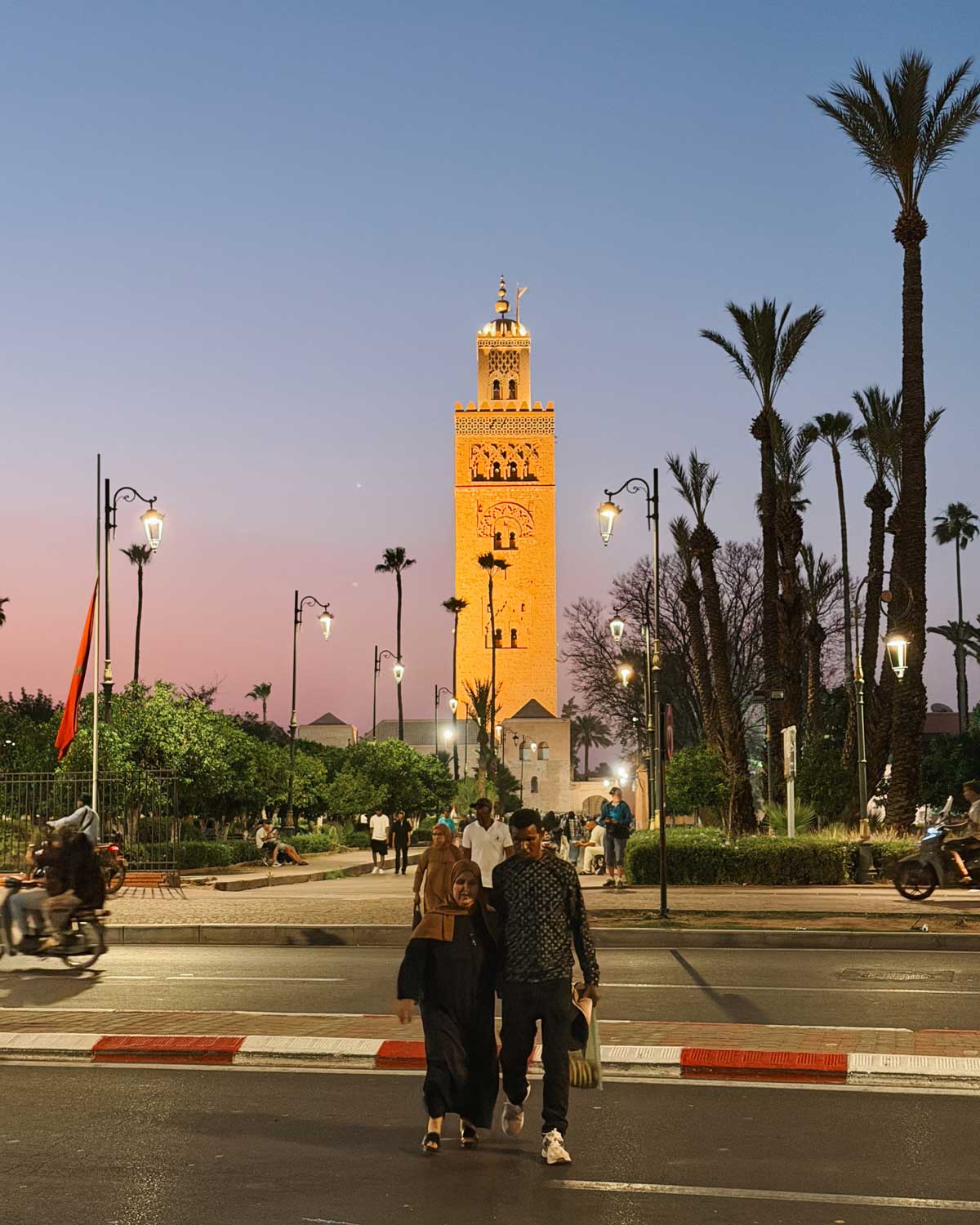
Marrakech is where most trips start. The medina is busy and loud and full of life: the square of Jemaa el-Fna, the souks selling everything from lanterns to spices, and the Bahia Palace. Outside the old walls, the Majorelle Garden and the Yves Saint Laurent Museum are a calm contrast.
Marrakech isn’t a city to “complete” in a day. Give it at least two nights, so you see the medina in the morning and again after dark, when it feels like a completely different place.
Stay in a riad inside the medina if you can. Coming back to a quiet courtyard after an afternoon in the souks is one of the nicest parts of a stay here. Marrakech is also one of Morocco’s best bases for day trips, particularly to the Atlas Mountains, Essaouira and the Ouzoud Waterfalls. Aït Ben Haddou can be done in a day too, but it’s about 4 hours each way, so we usually include it in a longer route south.
Beyond the sights, Marrakech is the best place in Morocco for experiences: a traditional hammam, a cooking class that starts with shopping in the market, or a sunrise hot-air balloon flight over the palm grove with the Atlas on the horizon.
Our tip: go to the Majorelle Garden right when it opens, before the tour groups arrive, and leave the souks for the late afternoon, when the light softens and the square starts filling up for the evening.
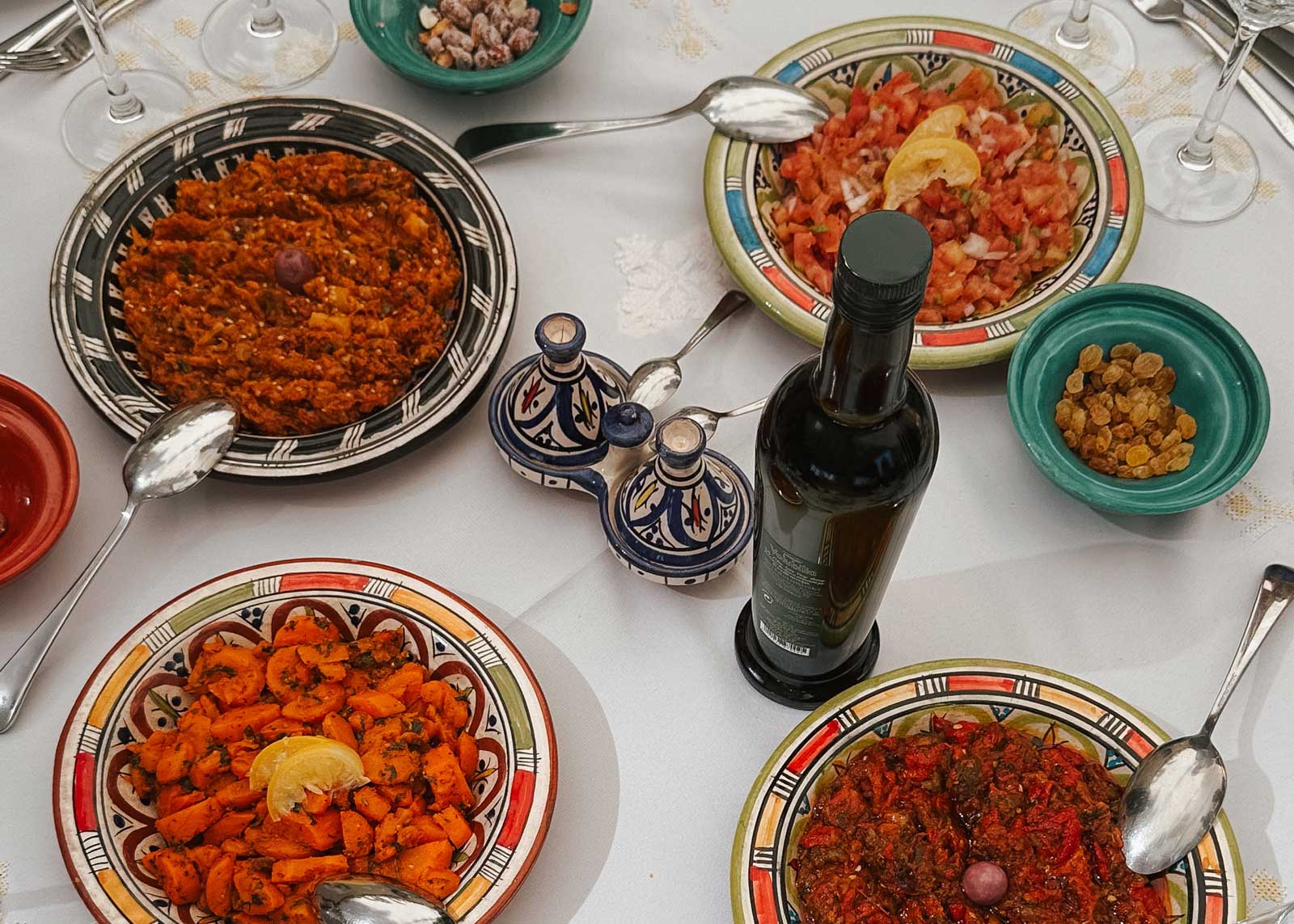
Don’t leave without trying tangia, Marrakech’s own signature dish: beef or lamb slow-cooked for hours in a clay urn, traditionally buried in the embers of a hammam furnace until the meat falls apart. One of our favorite places to eat it is Chez Lamine Hadj Mustapha, in the little lane of grill restaurants just off Jemaa el-Fna.
Where to stay: a riad in the medina for atmosphere, or a hotel in the Hivernage or Palmeraie areas if you prefer a pool and more space.
How long: 2 to 3 nights. Our guide to how many days to spend in Marrakech breaks it down.
Best time: October to May. July and August are very hot.
2. The Sahara Desert at Merzouga
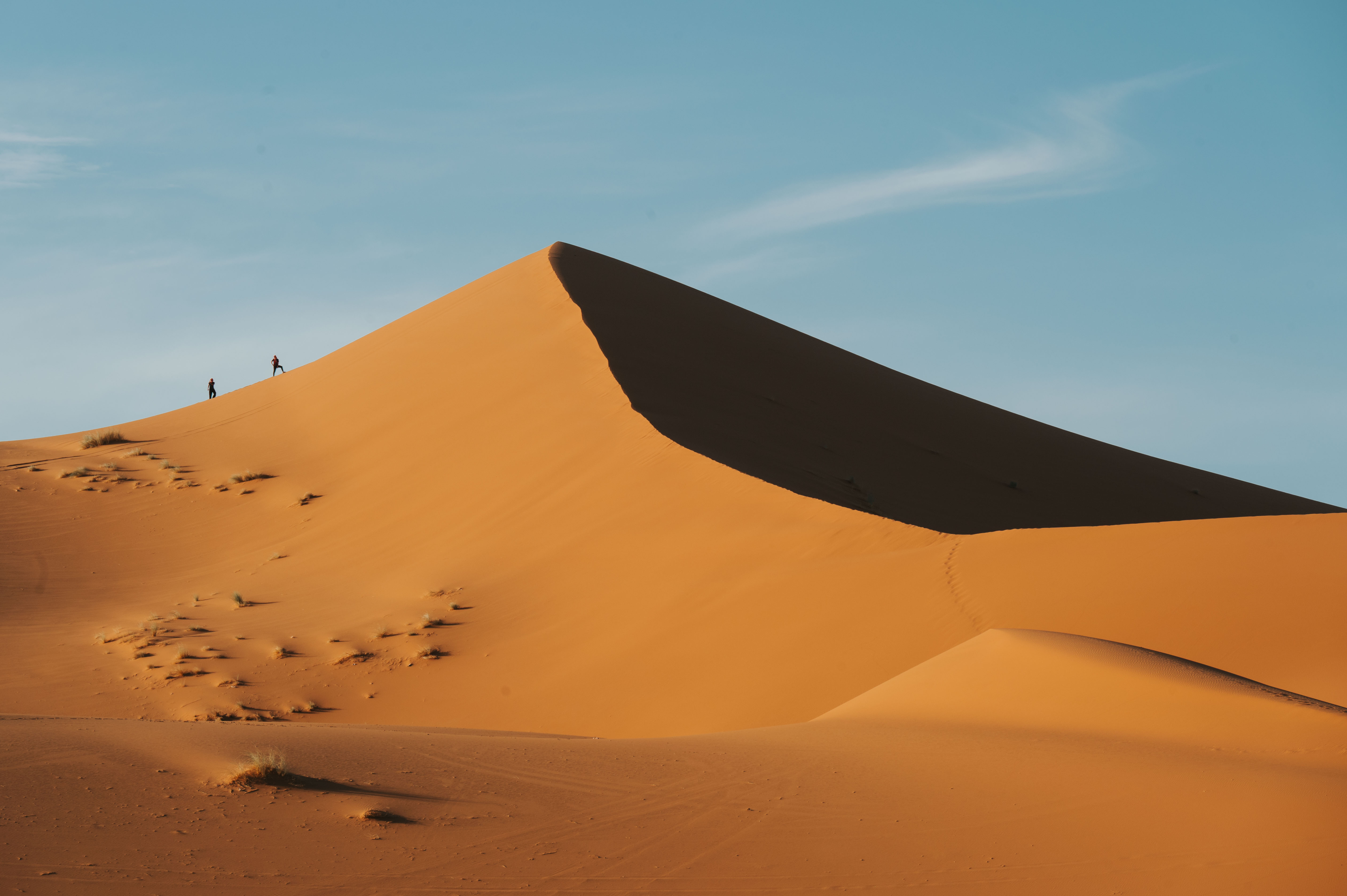
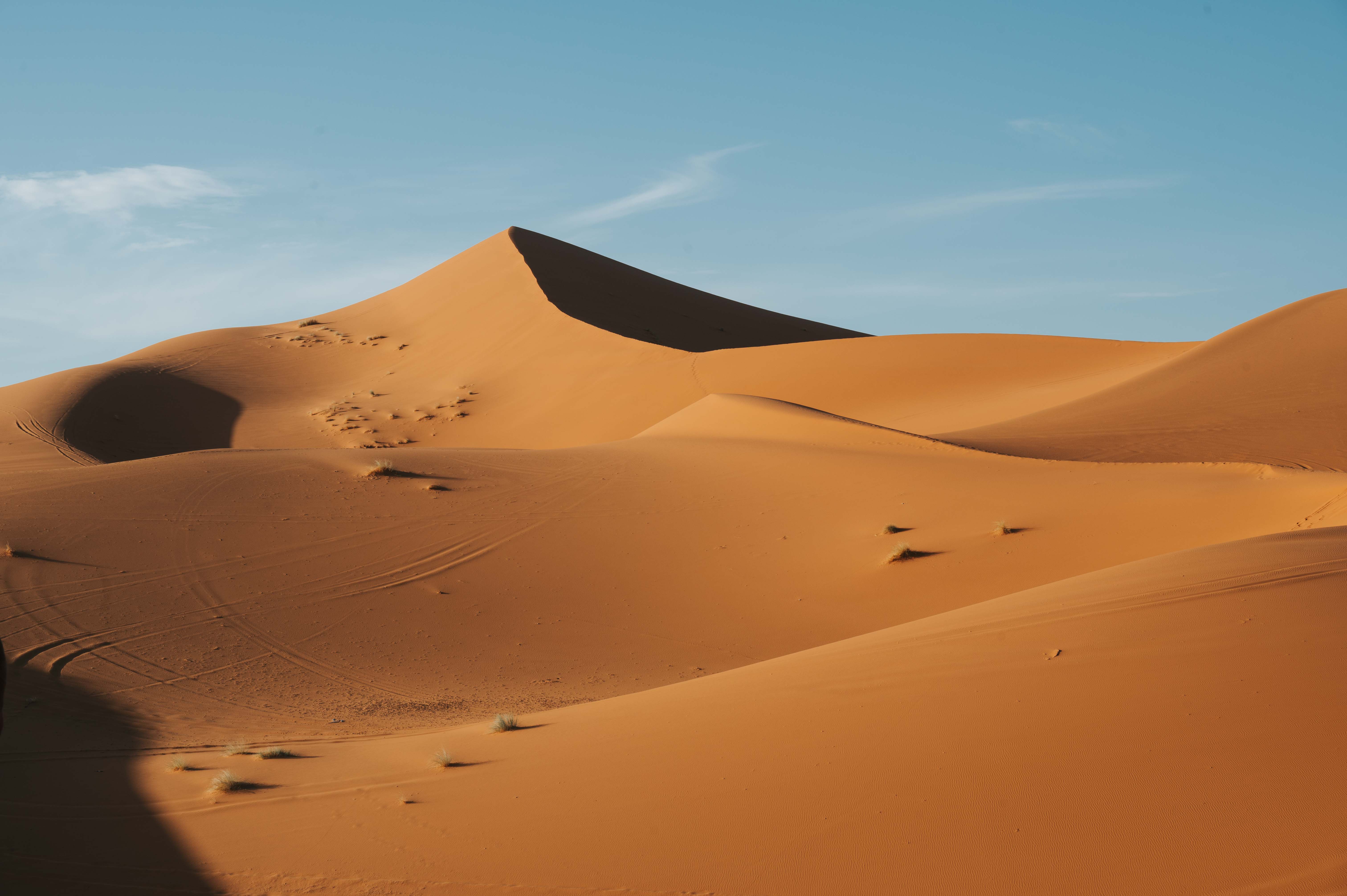
If there’s one place we’d tell you not to miss, it’s this one. The Erg Chebbi dunes at Merzouga rise to about 150 m (490 ft), and they change color through the day, from pale gold at noon to deep orange at sunset. You ride a camel into the dunes in the late afternoon, spend the night in a desert camp under a sky full of stars, and wake up early to watch the sun come up over the sand.
Merzouga is about 560 km (350 miles) from Marrakech, a drive of 9 to 10 hours, so a desert trip from Marrakech takes at least three days. The good news is that the road there passes some of Morocco’s best scenery, including the next two places on this list. On our desert tours, we split the drive into two days so you reach the dunes in time for sunset.
The most common mistake we see is trying to fit Merzouga into two days from Marrakech. Three days is the minimum we’d plan, and four is noticeably more relaxed.
Our tip: two nights in the desert are worth it if you can spare the time. Instead of arriving at sunset and leaving at sunrise, you get a full day to explore. Try sandboarding, have tea with a nomad family in their tent, or take a 4×4 loop around Erg Chebbi. On the way you can stop at Dayet Srji, a seasonal lake where flamingos sometimes gather after a rainy winter, and Mifis, an abandoned mining village where lead ore was mined from French colonial times. The ore is galena, the dark mineral traditionally ground to make kohl eyeliner. Finish with the Gnawa musicians of Khamlia.
Where to stay: a desert camp in the dunes. Camps range from simple to luxury tents with private bathrooms, and the camp you choose makes a big difference to the night.
How long: 1 to 2 nights, on a trip of at least 3 days from Marrakech or 2 days from Fes.
Best time: October to April. In summer, keep the camel ride for the evening.
3. Aït Ben Haddou and Ouarzazate
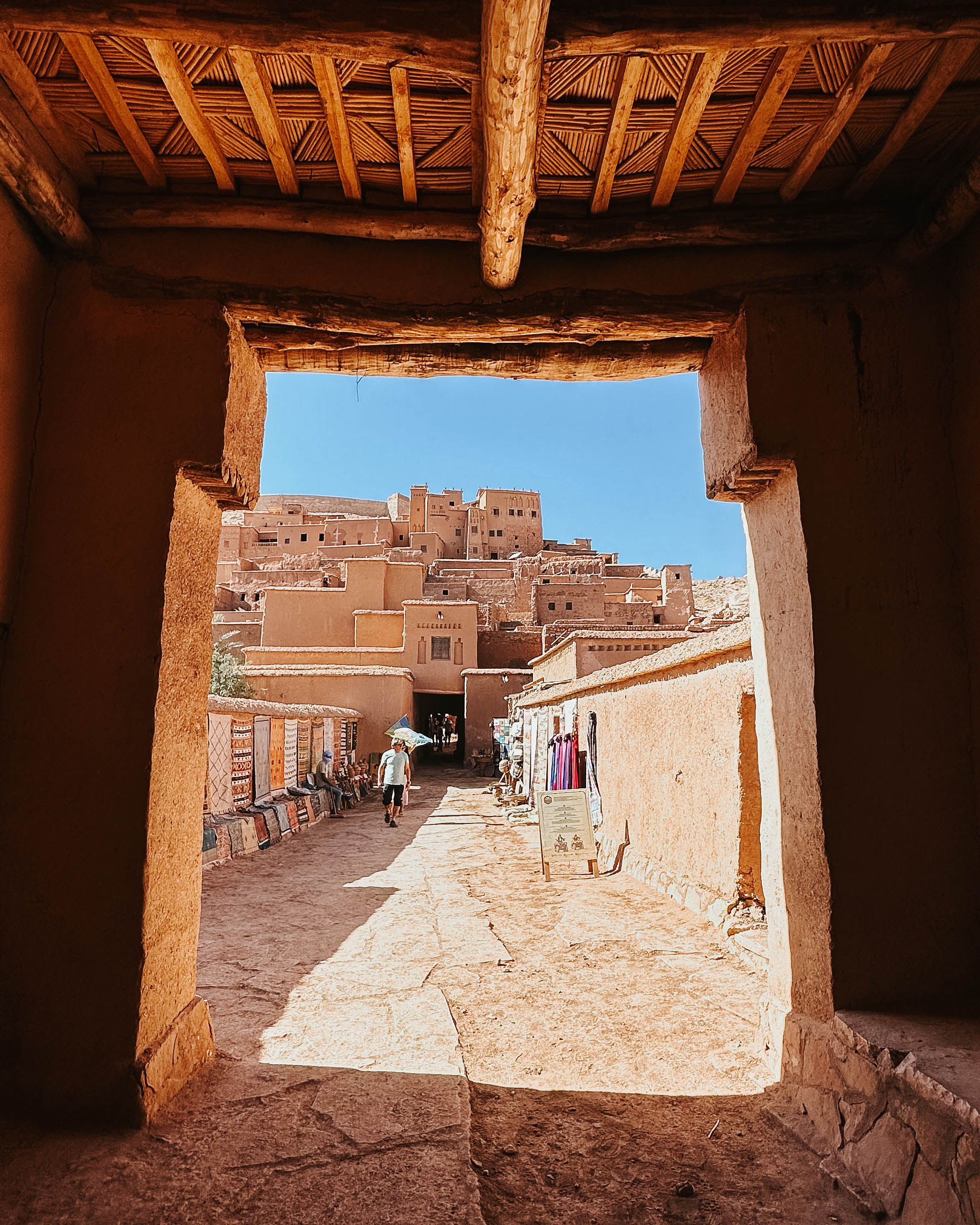
Aït Ben Haddou is a fortified village of earthen houses climbing up a hill, on the old caravan route between the Sahara and Marrakech. It’s a UNESCO World Heritage site, and if it looks familiar, that’s because it has appeared in films like Gladiator and in Game of Thrones. The walk up to the granary at the top gives you a view over the whole valley.
Nearby Ouarzazate is the gateway to the south, with the Taourirt Kasbah and the Atlas Film Studios. The drive from Marrakech crosses the High Atlas on the Tizi n’Tichka pass, one of the most beautiful roads in the country. In winter, snow can close the pass for a few hours, so our drivers check the forecast the night before and adjust the start time if needed.
Our tip: late afternoon is the best time for photos, when the walls turn warm red and most day-trippers have left.
How long: a stop on the way to the desert, or one night. It’s also possible as a day trip from Marrakech, but it’s about 4 hours each way, so expect a long day.
Best time: spring and autumn.
4. The Dades and Todra gorges
East of Ouarzazate, the road follows the Dades Valley, lined with palm groves, earthen villages and old kasbahs. The Dades Gorge is known for its rock formations and a dramatic road of hairpin bends, while the Todra Gorge narrows into a canyon with towering rock walls, where you can walk along the river between the cliffs.
Most desert trips from Marrakech spend their first night here, and it’s a welcome break in the drive. In May, the town of Kelaat M’Gouna in the nearby Valley of Roses holds its rose festival.
Our tip: walk the Todra Gorge early in the morning, before the tour buses arrive and while the canyon is still in shade.
Where to stay: a kasbah guesthouse in the Dades Valley, ideally with a terrace over the gorge.
How long: one night, on the way to or from the desert.
Best time: spring and autumn, or May for the roses.
5. The High Atlas Mountains
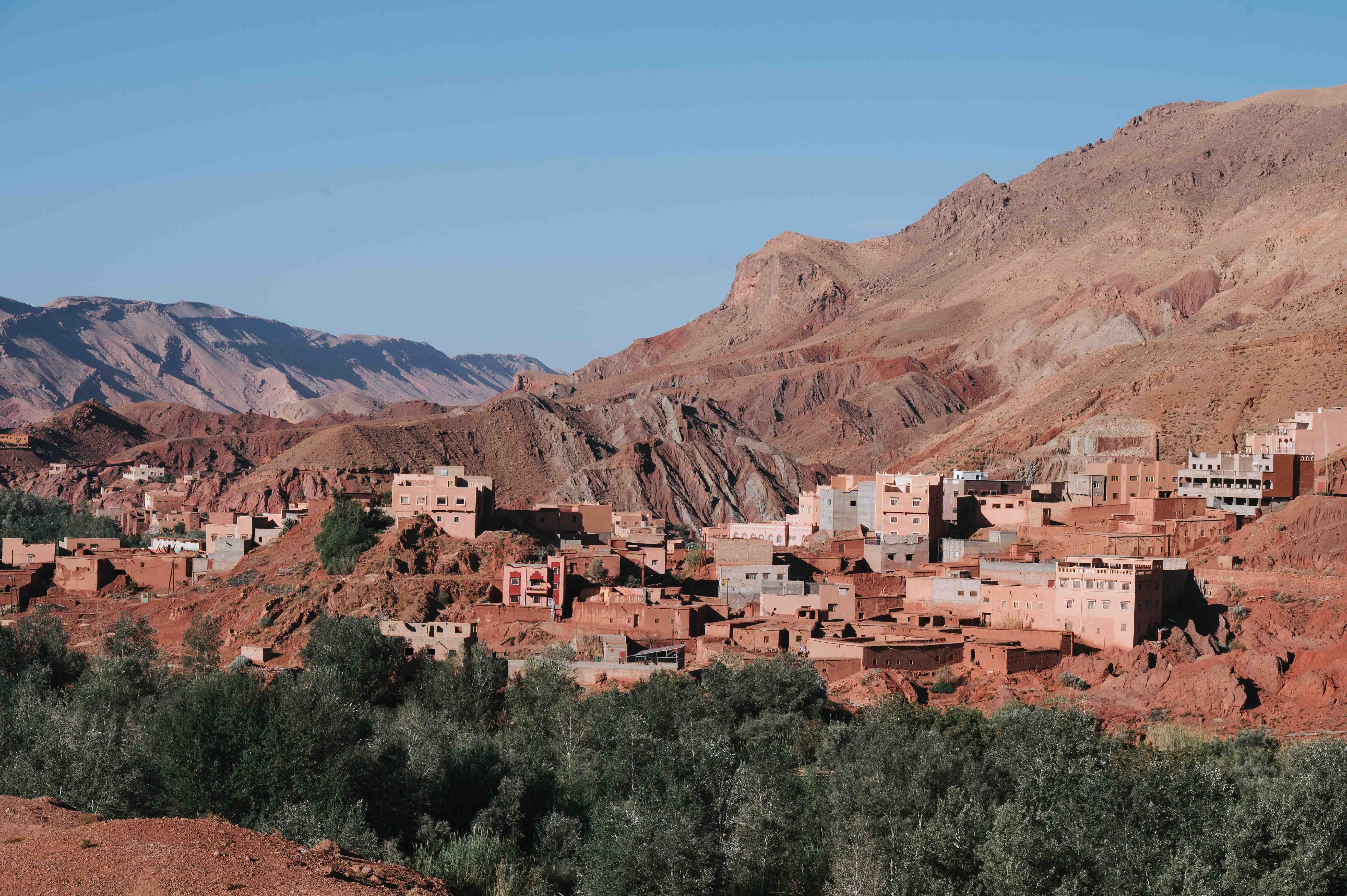
You don’t need to go far from Marrakech to feel like you’re in a different country. In about an hour, you’re in the Ourika Valley, and in about an hour and a half, you reach Imlil, a mountain village at the foot of Toubkal, the highest peak in North Africa at 4,167 m (13,671 ft). Both are home to Amazigh (Berber) communities, with terraced fields, walnut trees and mud-brick villages on the slopes.
You can come for a gentle walk and lunch in a village, or stay a night or two and hike properly. Further out, the Ouzoud Waterfalls, about 2.5 to 3 hours from Marrakech, are another popular day out.
Our tip: even on a day trip, wear proper walking shoes. The paths between villages are steep and stony, and the best views are a short climb above the road.
How long: a day trip, or 1 to 2 nights for hiking. See our Ourika Valley and Atlas Mountains day trip and the Ouzoud Waterfalls day trip.
Best time: April to October for hiking. In winter, the higher villages often have snow.
6. Fes
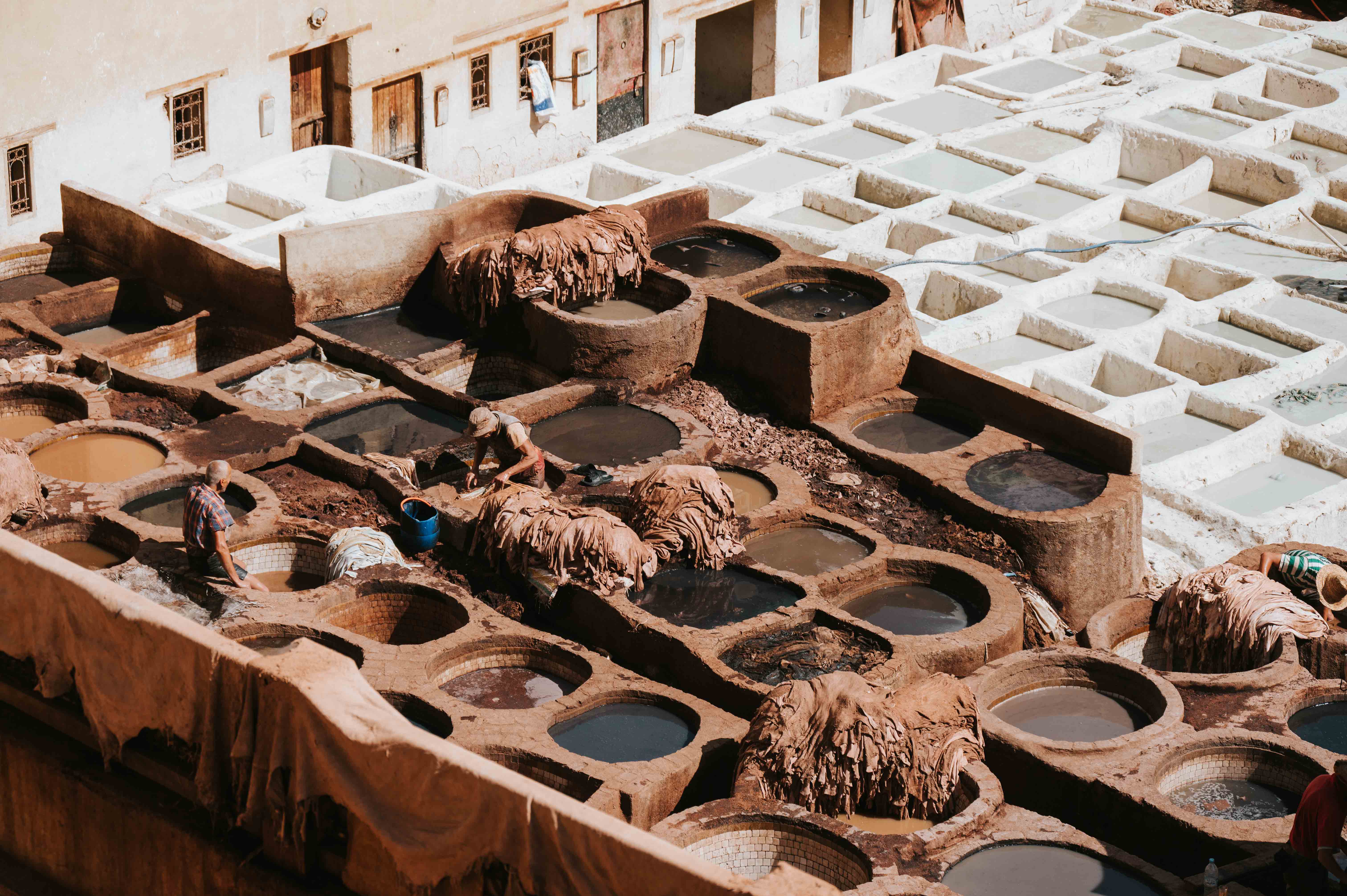
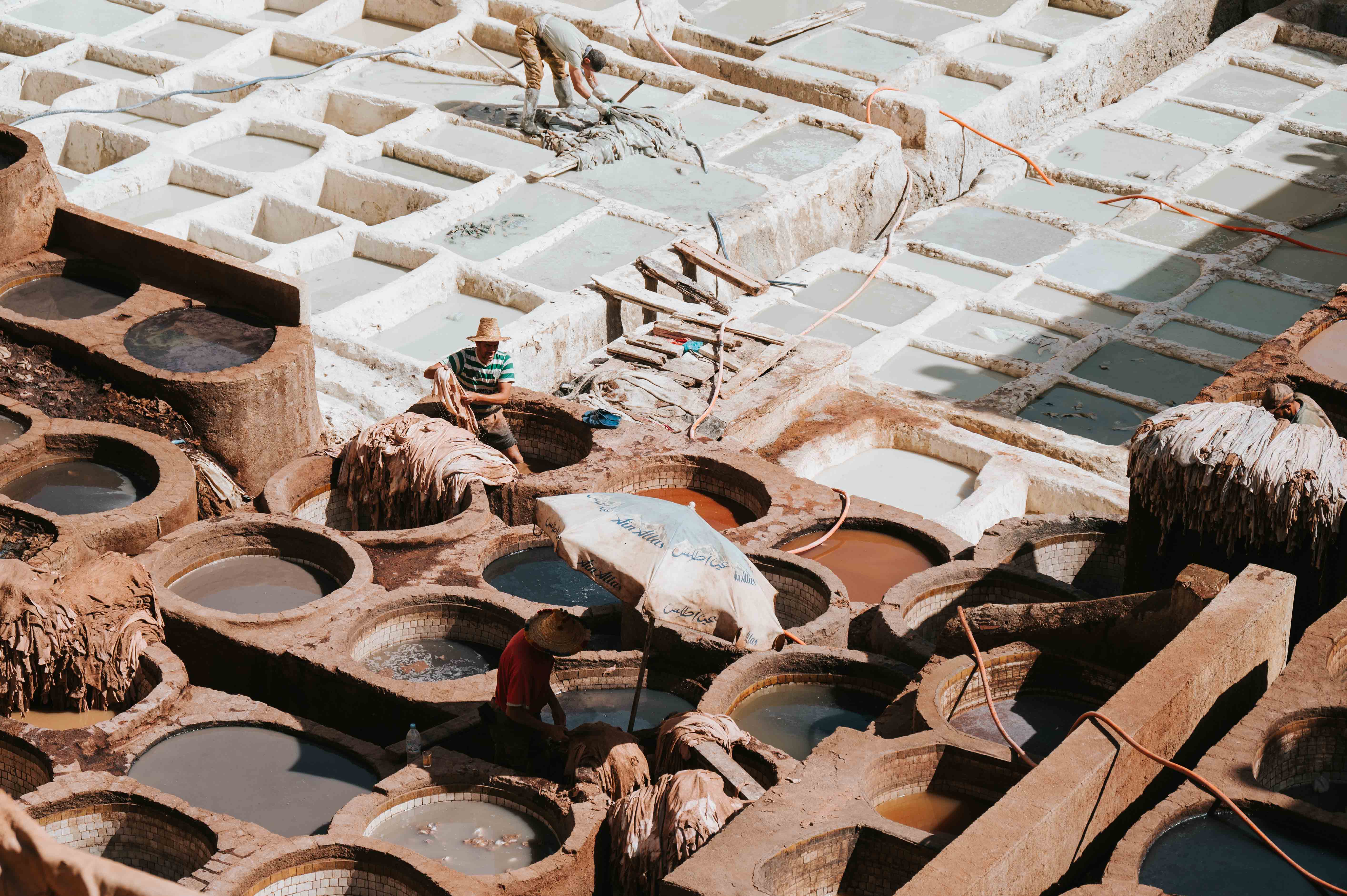
If Marrakech is Morocco’s most famous city, Fes is its most traditional. The old medina, Fes el-Bali, is a UNESCO World Heritage site and one of the largest car-free urban areas in the world, a maze of lanes where donkeys still carry goods and craftsmen work the same way they have for centuries. Highlights include the Chouara Tannery, the Bou Inania and Al-Attarine madrasas, and the Al-Qarawiyyin, founded in 859 and often described as the oldest university in the world still operating.
Fes is a city that rewards a good guide. Without one, you’ll see the main sights. With one, you’ll understand what you’re looking at, and you’ll find the workshops and corners that are easy to walk past.
Our tip: book a licensed local guide for your first morning, then explore on your own in the afternoon. Visit the tanneries in the morning, when the dye pits are most active, and accept the sprig of mint you’ll be offered at the entrance. You’ll need it.
Fes is also the best place in Morocco to see crafts being made, not just sold. Around Place Seffarine, the coppersmiths’ square, you can watch artisans hammer and chisel intricate patterns into copper and brass trays, plates and lanterns. Metal engraving was added to UNESCO’s list of Intangible Cultural Heritage in 2023, and Moroccan craftsmen trace it back to Fes. The city is also famous for its blue-and-white pottery and zellij tilework, and you can visit a pottery workshop to see how they’re made.
If you’re the crafty type, we can arrange a hands-on workshop where you try making something yourself. Fes is the perfect place to add an activity like this to your trip.
Where to stay: a riad inside the medina, so you can step straight into the old town in the morning.
How long: 2 nights.
Best time: March to May and September to November.
7. Chefchaouen
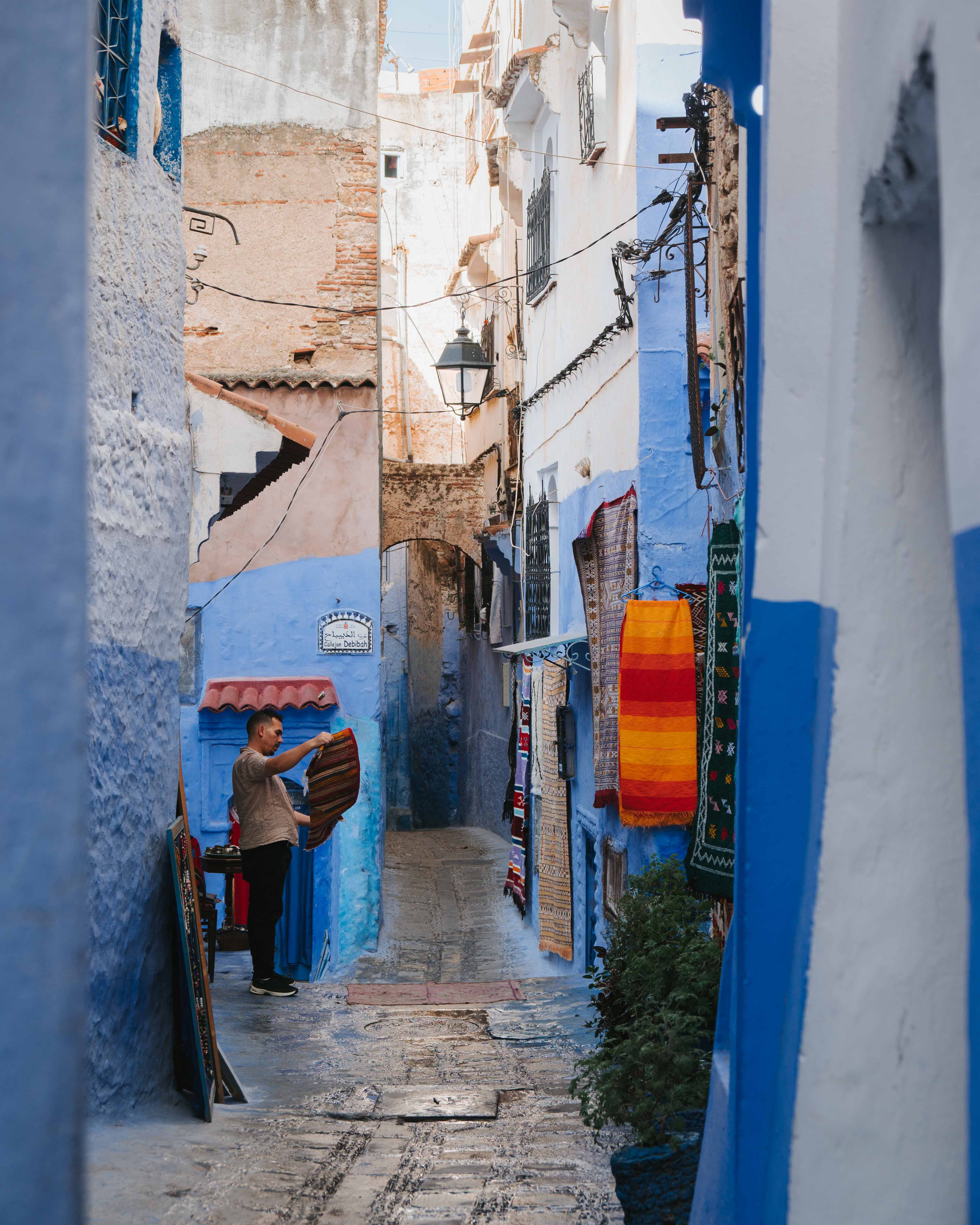
Chefchaouen is the blue town in the Rif Mountains, and in person it’s even prettier than in the photos. The medina is small and relaxed, with blue-washed walls, steep staircases, and flower-framed doors. It’s a good place to slow down after the bigger cities.
Walk up to the Spanish Mosque, about 30 minutes uphill from the medina, for sunset over the town. If you have an extra day, the Akchour waterfalls are a beautiful hike nearby.
Our tip: stay the night. From late morning to late afternoon, the lanes fill with visitors coming in from Fes, while the town is at its most beautiful in the early morning and after dark.
Where to stay: a small guesthouse inside the medina, many with rooftop terraces over the blue rooftops.
How long: 1 to 2 nights. It’s about 4 hours by road from Fes, so a day trip means about 8 hours in the car.
Best time: April to June and September to October. Winters are cold and rainy.
8. Essaouira
Essaouira is a laid-back fishing town on the Atlantic coast, with a whitewashed UNESCO-listed medina, sea ramparts lined with old cannons, and a busy blue-boat harbor where you can eat grilled fish caught that morning. It’s much calmer than Marrakech, and the souks are easier going.
The wind is part of Essaouira’s character. It keeps the town cool in summer and makes it one of the best places in Morocco for kitesurfing and windsurfing. Lessons are easy to book on the beach south of the medina, and there are horse and camel rides along the sand. On the way from Marrakech, you pass the argan country, with women’s cooperatives that make argan oil.
Our tip: bring a jacket, even in summer. The sea breeze catches out a lot of travelers who arrive in shorts from a 35°C (95°F) day in Marrakech.
Where to stay: a riad in the medina, close to the ramparts.
How long: 1 to 2 nights, or a day trip from Marrakech if you’re short on time.
Best time: year-round. Summer is breezy and cooler than inland.

9. Agadir
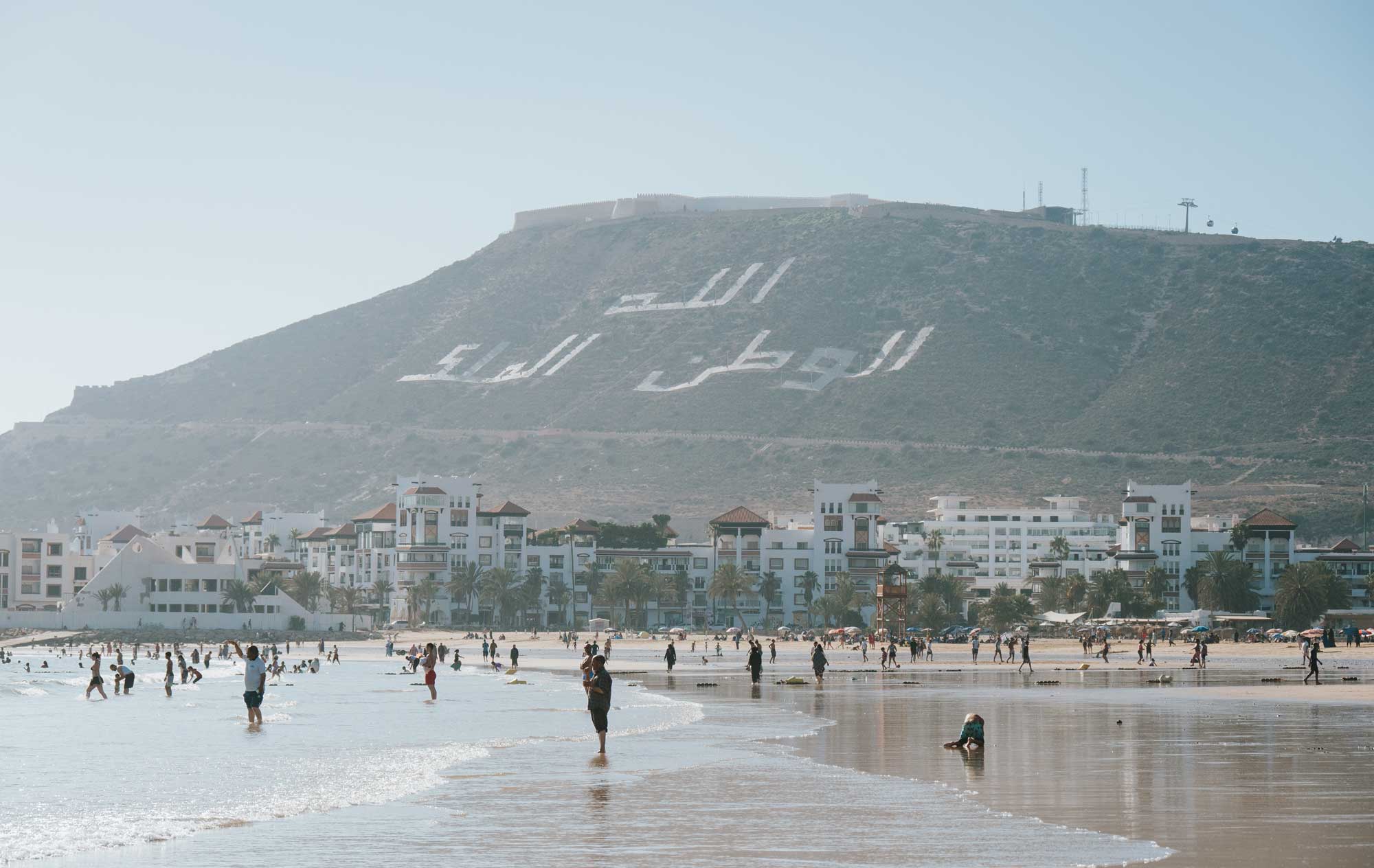
Agadir is Morocco’s main beach resort, and the best place on this list for a summer break. The city was rebuilt after an earthquake in 1960, so don’t come for old medinas. Come for the long sandy beach, the seafront promenade, big resort hotels and plenty of sunshine. Thanks to the Atlantic, summer days here are much milder than in Marrakech, usually in the high 20s °C (low 80s °F) while Marrakech can pass 40°C (104°F).
There’s more to do than lie on the beach, though. Take the cable car up to the old kasbah of Agadir Oufella for the view over the bay, browse the huge Souk El Had, or head north to Taghazout, a surf village about 20 minutes away, where surf schools run lessons for complete beginners. Paradise Valley, in the Atlas foothills, is a pretty half-day trip with rock pools.
Our tip: Agadir works best at the end of a trip, as a few days to rest after the cities and the desert. It’s about 3 hours from Marrakech by motorway, and its airport has direct flights to many European cities.
Where to stay: a beachfront resort hotel on the bay, or a guesthouse in Taghazout if you’re there to surf.
How long: 3 nights or more. It’s a place to slow down, not to tick off.
Best time: year-round, and especially summer.
10. Rabat
Morocco’s capital is often skipped, and we think that’s a mistake. Rabat is clean, green and calm, with a relaxed medina and none of the pressure you can feel in the souks of Marrakech. Its highlights are the Kasbah of the Udayas, with blue-and-white lanes above the ocean, the Hassan Tower and the Mausoleum of Mohammed V, and the ruins of the Chellah.
Our tip: Rabat is an easy stop between Casablanca and Fes or Chefchaouen. Spend a day here instead of a second day in Casablanca.
How long: 1 day, or 1 night if you want an easy evening on the way north.
Best time: year-round.
11. Casablanca
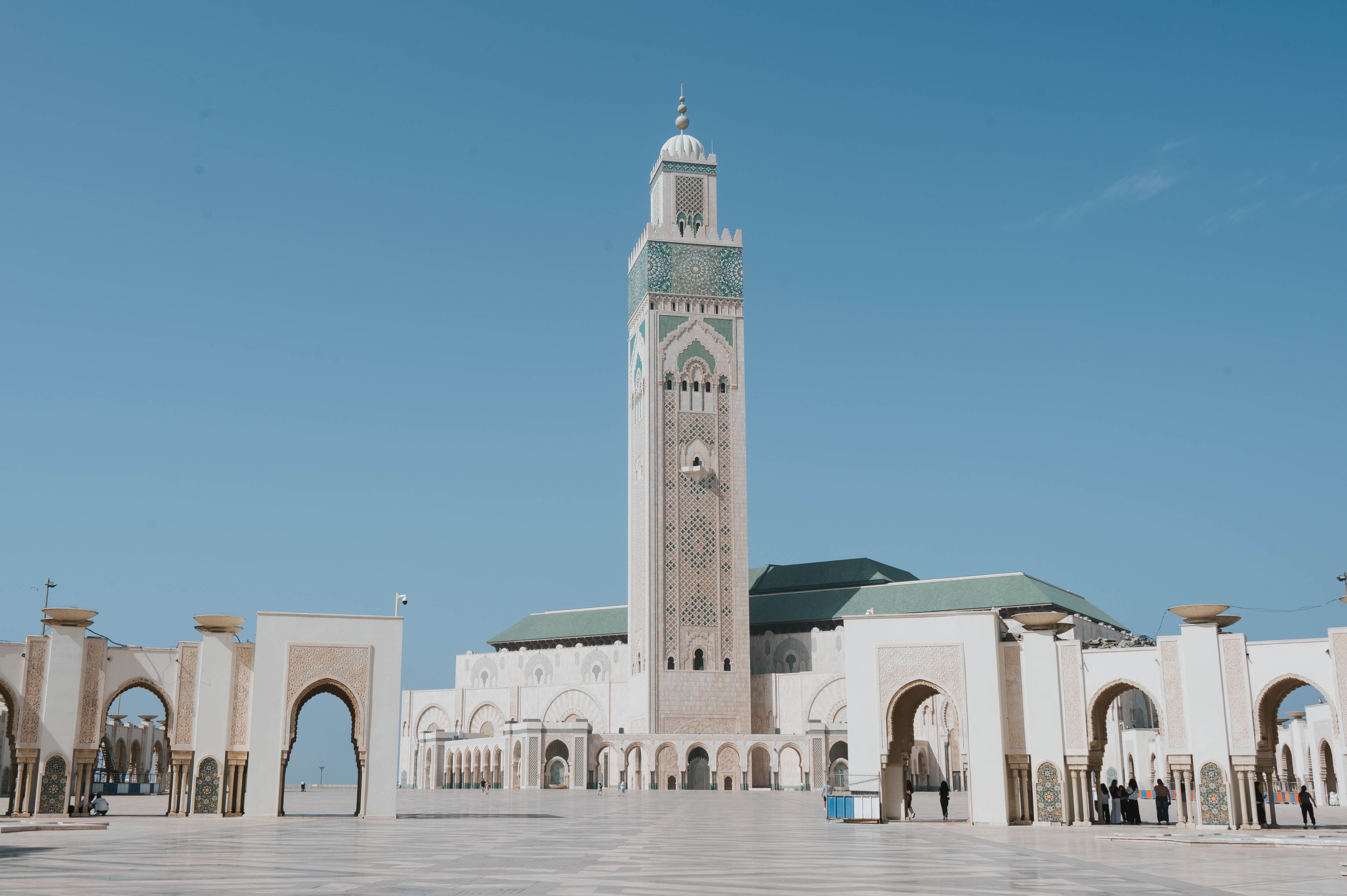
Casablanca is Morocco’s biggest city and where many international flights land. For most travelers, the reason to visit is the Hassan II Mosque, built on a platform over the ocean, with one of the tallest minarets in the world. It’s also one of the few mosques in Morocco that non-Muslims can visit, on guided tours run by the mosque itself. Add a walk along the Corniche and a look at the Art Deco buildings downtown.
Our tip: check the mosque’s tour times and book your ticket in advance, and dress modestly, with shoulders and knees covered. If your flight lands in the afternoon, we usually plan the mosque for the next morning and drive on to Rabat after lunch, rather than rushing it on arrival day.
How long: half a day to one day. Flying into Casablanca? See our tours from Casablanca.
Best time: year-round.
12. Meknes and Volubilis
Meknes is the quietest of Morocco’s four imperial cities, built up by Sultan Moulay Ismail in the 17th century. Its monumental gate, Bab Mansour, is one of the finest in the country. Half an hour away, Volubilis is the best-preserved Roman site in Morocco, a UNESCO World Heritage site with mosaics still in place on the floors of the old houses. Right next to it is the hill town of Moulay Idriss Zerhoun.
Our tip: there’s very little shade at Volubilis, so go in the morning, especially from May to September, and bring water and a hat.
How long: a day trip from Fes, or a stop on the way between Fes and Rabat or Chefchaouen.
Best time: spring and autumn. Summer at Volubilis is very hot.
13. The Agafay Desert
The Agafay Desert is a stony desert of rolling hills about 45 minutes from Marrakech. It isn’t part of the Sahara and has no sand dunes, but it’s a beautiful place for a sunset camel ride, a quad bike tour or dinner in a desert camp, with the Atlas Mountains on the horizon.
Our tip: Agafay is ideal if you only have a few days in Marrakech and want a taste of the desert. If you have three days or more, the real Sahara is worth the drive.
How long: half a day, or one night in a camp.
Best time: October to May.
More places worth adding
- Zagora and the Draa Valley: the closest point to Marrakech where the dunes begin, about 6 to 7 hours away, and the best desert option if you only have two days. See our 2-day desert tour to Zagora.
- Erg Chigaga: big, remote dunes beyond M’Hamid, reached by 4×4, for travelers who want the desert without the crowds.
- Tangier: the port city on the Strait of Gibraltar, and the natural start if you arrive by ferry from Spain. Our guide on how to get from Spain to Morocco explains the crossings.
Which city is best to visit in Morocco?
It depends on what you’re after, but for most first-time visitors, the answer is Marrakech. It has the most to see, the best range of riads and restaurants, the biggest choice of flights, and it’s the natural starting point for the Sahara and the Atlas Mountains.
The best places in Morocco by type of trip
- First trip: Marrakech, the Sahara and Fes.
- Couples: Marrakech, a night in a Sahara camp and Essaouira.
- Families: Marrakech, the High Atlas, Essaouira and the Sahara. Our guide to the best places to visit in Morocco with family goes into more detail.
- Beach time: Agadir, or Essaouira if you’d rather have a town with character.
- History and crafts: Fes, Meknes and Volubilis.
- Photography: Chefchaouen, the Sahara and Aït Ben Haddou.
- Hiking: the High Atlas, around Imlil.
- Somewhere small and slow: Chefchaouen.
Marrakech or Casablanca?
For sightseeing, Marrakech, without much doubt. Casablanca is a modern business city, and most travelers need only half a day there for the Hassan II Mosque. It makes sense as a place to land and leave from, not as the center of your trip.
How to fit the best places into one trip
The places on this list are spread across the country, so the secret is to pick a route, not a list. These are the three routes we plan most often:
5 to 6 days: Marrakech, the Atlas and the Sahara
Marrakech, the High Atlas, Aït Ben Haddou, the Dades and Todra gorges and a night in the dunes at Merzouga. If you'd rather skip the long drives, spend the time in Marrakech with day trips to the Atlas and Essaouira instead.
7 to 8 days: Marrakech, the Sahara and Fes
Marrakech, then across the Atlas to the desert and on to Fes, adding Chefchaouen with an eighth day. Because it's one-way, you never drive the same road twice.
10 to 14 days: the imperial cities, the Sahara, Marrakech and the coast
Casablanca, Rabat, Chefchaouen, Fes, the Sahara and Marrakech, with time to add Essaouira or a few days on the beach in Agadir at the end.
Getting around between the best places
- By train: Morocco’s ONCF trains connect Marrakech, Casablanca, Rabat, Meknes, Fes and Tangier, and the high-speed Al Boraq line links Tangier, Rabat and Casablanca. The train is a good, inexpensive way to travel between the big cities.
- By private driver: the south (the Atlas, Aït Ben Haddou, the gorges and the Sahara) isn’t on the rail network, and that’s where a private driver makes the most difference. You stop where you want, and you don’t have to manage mountain roads yourself.
- By car: self-driving is possible, but city traffic and medina parking are stressful, and the mountain roads are long and winding.
- By plane: domestic flights exist, but they rarely save time on the routes in this guide, because most connect through Casablanca.
Plan your trip with us
Not sure which places fit into your trip? Tell us your dates, your arrival airport and how many days you have, and we’ll suggest a realistic route, including where we’d stay overnight and what we’d leave out. We’re a Morocco-based team, and these are the places we drive to every week. Browse our private tours from Marrakech, or ask us for a custom tour built around the places you want to see.
Frequently asked questions
It's a personal choice, but our team's answer is almost always the Erg Chebbi dunes at sunrise. Chefchaouen and the Todra Gorge would be close behind, and many travelers would add the High Atlas villages in spring, when the almond trees are in blossom.
In July and August, the coast is the most comfortable: Agadir for the beach, Essaouira for a cooler, breezier town. The High Atlas villages are also fresher than Marrakech. You can still visit the Sahara in summer, but plan the camel ride for the evening and the drive for the morning. Our guide to the best time to visit Morocco covers each season.
If you have a week or less, leave out the north (Tangier and Chefchaouen) and Casablanca, and focus on Marrakech, the Atlas and the Sahara. Rabat and Meknes are lovely, but they're easier to fit into a longer trip.
Yes, if you're arriving from Spain or traveling in the north. It has a lively medina, the Kasbah Museum and views across the Strait of Gibraltar. But it's a long way from Marrakech and the Sahara, so on a first trip, we wouldn't go out of your way for it.
Not for the cities. Marrakech, Fes, Rabat and Casablanca are easy to reach by train and explore on your own, ideally with a local guide for the medinas. A tour or private driver makes the most sense for the south, where the desert, the gorges and the kasbahs are far apart and off the rail network.
Published: 13 October 2026
About the Author
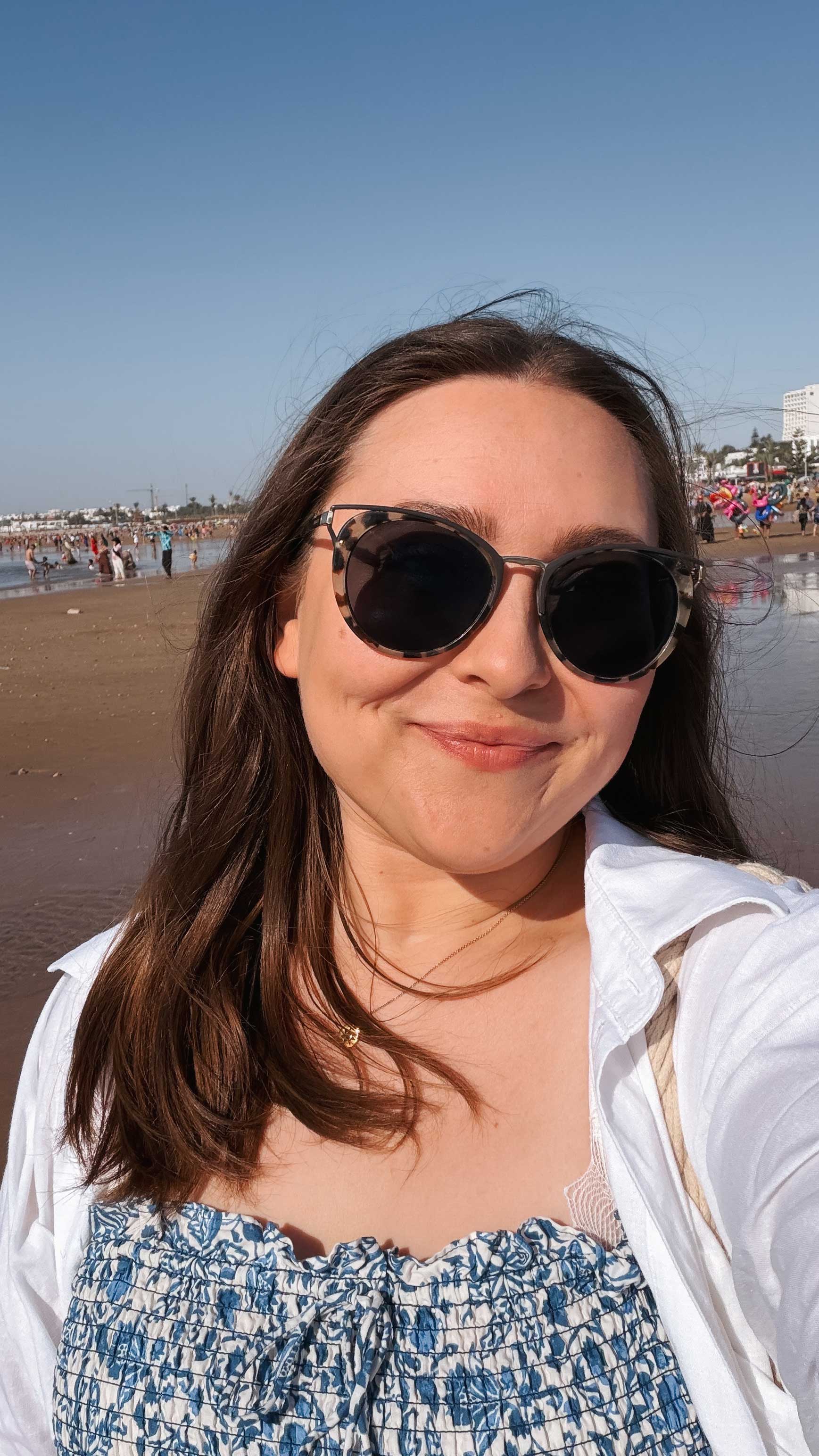
Sandra Potisek is a travel content creator, originally from Slovenia and now spending much of her year in Morocco. As part of the Village Morocco Travel team, she works closely with local guides to plan trips for international guests — and off the clock, she's immersing herself in the country's culture, cuisine, and lesser-known corners firsthand.
Have Any Questions?
We’re here to help with any questions about our tours, travel plans, pricing, or customizing your Morocco journey.